There is so much food in China, why should we import it? The Ministry of Agriculture and Rural Affairs has answered.
CCTV News:Before and after the Qingming Festival, melons and beans were planted. The Ministry of Agriculture and Rural Affairs said that the production order of spring ploughing has basically returned to normal, and there is hope and foundation for a bumper harvest of summer grain this year. However, recently, affected by the epidemic, many countries began to restrict grain exports, and some people worried that there would be a shortage or price increase of grain and began to hoard grain. Is this necessary? We analyze it for you through authoritative data.
China’s grain has been stable at more than 1.3 trillion Jin for five consecutive years, and the total output last year was 1,327.7 billion Jin, a record high. With a population of 1.4 billion, the average person can get 948.36 Jin of grain, which is much higher than the international food safety standard line of 800 Jin per person.
In addition to the annual new grain, China has a large number of grain reserves. In 2019, the inventory balance of the three staple grains of wheat, corn and rice in China was more than 280 million tons. Especially rice and wheat, can feed the whole country for more than a year. According to international standards, the proportion of grain inventory in consumption is between 17% and 18%, which is a safe area. At present, China’s inventory is much higher than this standard.
These two comparison charts of supply and demand also show that in the past five years, the supply and demand of wheat were more than balanced, the supply of rice exceeded demand, and the rations were absolutely safe and guaranteed.
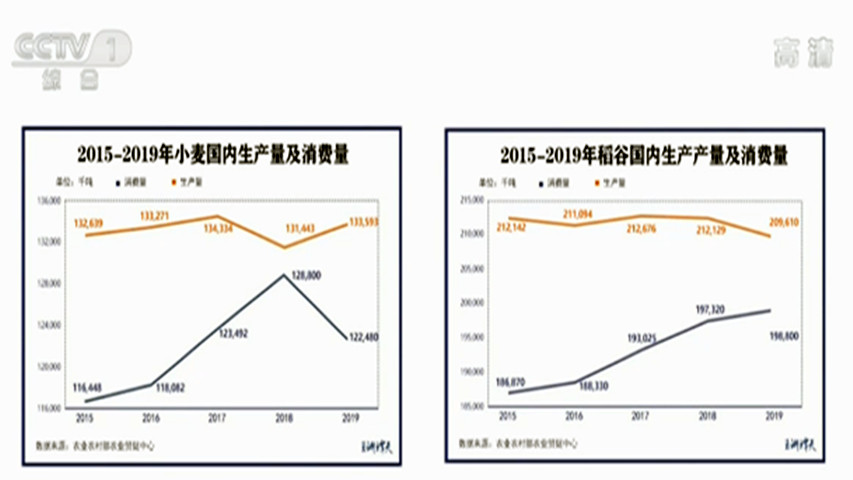
Since there is so much food, why should we import it? Last year, China imported 14.68 million tons of grain, equivalent to less than 30 billion Jin, accounting for only about 2% of China’s grain consumption. Import is not because it is not enough, but to meet the needs of domestic "early adopters".
Wei Baigang, Director of the Development Planning Department of the Ministry of Agriculture and Rural Affairs:We mainly import strong gluten and weak gluten wheat, Thai rice, etc. The main purpose is to adjust the demand structure and better meet people’s personalized and diversified consumption needs.
In other words, there is no pressure for China to be self-sufficient in rice and flour. An index for evaluating the degree of national food self-sufficiency internationally — — In terms of grain self-sufficiency rate, the self-sufficiency rate of rice and wheat in China has been far above the international safety line in the past five years. According to the survey report of FAO, only 33 of the 206 countries and regions in the world can achieve food self-sufficiency. Only China, the United States, Australia, Brazil, Argentina and New Zealand have the ability to provide foreign aid.
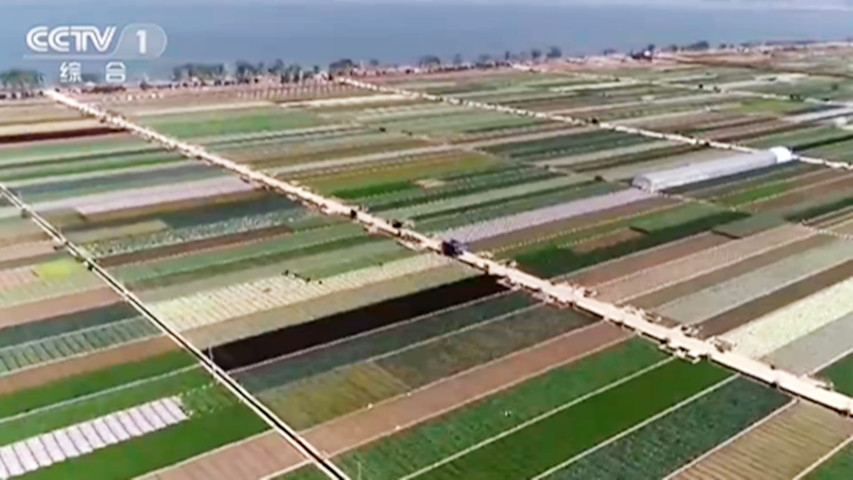
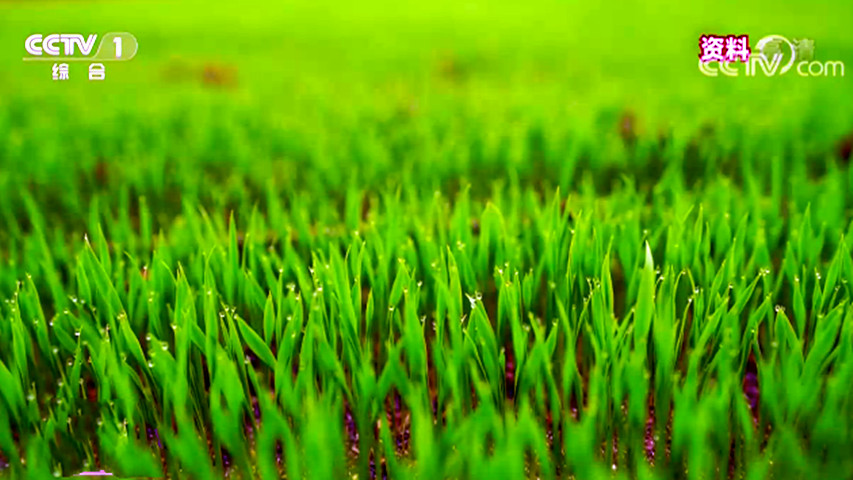
So what is the prospect of grain production this year? Take summer grain, whose output accounts for 1/5 of the whole year, as an example. According to the Ministry of Agriculture and Rural Affairs, the first-and second-class seedlings of winter wheat in China exceeded 87%, an increase of 3.5 percentage points over the same period of last year. Good news also came from early rice. The planting intention of early rice in Hunan, Jiangxi, Guangdong and Guangxi increased by 4 million mu compared with last year. Overall, grain production started well this year.
Pan Wenbo, Director of Planting Management Department of Ministry of Agriculture and Rural Affairs:There are four sentences here: the grain has been harvested for many years and the inventory is abundant; A bumper harvest of summer grain is expected, and spring sowing is progressing smoothly; Rations are completely self-sufficient and have limited international influence; Rice and flour are available as you buy them, so you don’t have to hoard them.
According to the Ministry of Agriculture and Rural Affairs, due to the epidemic, international food prices have indeed increased recently, but the impact on domestic food prices is very limited. Since March, the prices of rice and flour in China have remained stable and the market supply has been stable.
Wei Baigang, Director of the Development Planning Department of the Ministry of Agriculture and Rural Affairs:Judging from the total global supply, there is no shortage. The recent increase in international food prices is more due to the impact of panic consumption caused by the epidemic. Once the grain market fluctuates, our country has sufficient control means to stabilize it and is fully capable of coping with external influences.