The history of human development is a history of fighting against infectious diseases. For thousands of years, human beings have never got rid of the troubles of infectious diseases, and countless lives have been taken away by infectious diseases. However, in the struggle against infectious diseases, never back down, a human being, faced SARS in 2003, so did mankind; In the face of COVID-19 in 2020, it will still be the same, and we will face the disaster without retreat. I believe that this time, with wisdom and efforts, we will once again create a miracle against the epidemic.
History of struggle against infectious diseases
In the long river of history, plague, smallpox, cholera, leprosy, diphtheria, syphilis, malaria, tuberculosis and so on have brought different degrees of harm to human beings.
In the history of our country, smallpox has many names, such as Lu Chuang, Dou Chuang, Tian Xing Ban Chuang, Pemphigus, etc., which appeared in the Han Dynasty, and was recorded in the Jin Dynasty. The most familiar story about smallpox for modern people is probably the story that a generation of famous emperor Kangxi Aisingiorro Xuanye was infected with smallpox when he was a child, but every cloud has a silver lining sat on the throne. But apart from this story, there are countless people who died of smallpox. Happily, in the struggle against smallpox, mankind won the final victory. In 1977, the last case of naturally occurring smallpox was cured in Somalia. In 1980, the World Health Organization announced that smallpox had been completely eradicated all over the world.
Leprosy has been prevalent in the world for more than 3,000 years, and now it has been basically eliminated in China. Many people are even unfamiliar with this name, but through the current leprosy village, we can still see the harm of leprosy and people’s fear of it.
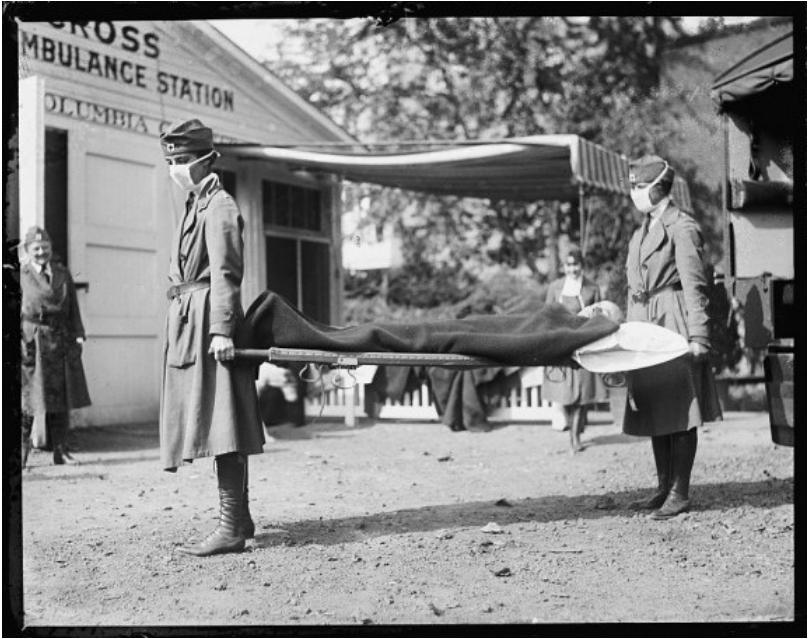
Everyone must be familiar with influenza, but its harm is far beyond your imagination. From 1918 to 1919, Spanish influenza spread all over the world, causing about 500 million people to be infected and more than 25 million people to die. It can be regarded as a fatal infectious disease in human history.
……
In 2020, the COVID-19 epidemic swept the world. Up to now, COVID-19 has infected more than 40 million people around the world and killed millions. Every battle against infectious diseases has had a great impact on human society, and some even changed the course of human history.
Infectious disease prevention and control
With the ceaseless pace of mankind, the struggle against infectious diseases will continue. Fortunately, we have accumulated a lot of valuable experience in these struggles. At present, it is recognized that the three major elements of infectious disease prevention and control are to control the source of infection, cut off the route of transmission and protect the susceptible population. The corresponding implementable measures are effective isolation, vaccination and thorough disinfection.
vaccine
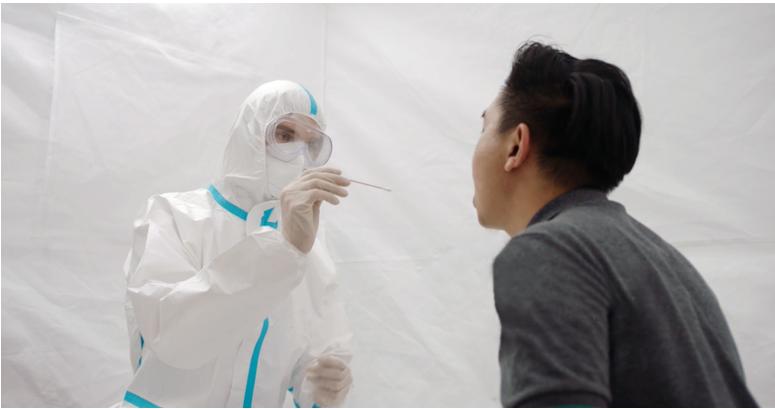
From the beginning of the new crown epidemic, the world began to step up the research and development of vaccines. On January 24, 2020, China CDC successfully isolated the first strain of novel coronavirus virus in China; At 20: 18 on March 16, the recombinant COVID-19 vaccine was approved to start clinical trials; On April 13th, China Covid-19 vaccine entered the Phase II clinical trial; On August 20th, the clinical trial of China Bio-COVID-19 Inactivated Vaccine was launched in Peru (Phase III). The four vaccines that entered the Phase III clinical trial stage are progressing smoothly. Up to now, about 60,000 subjects have been vaccinated, and no reports of serious adverse reactions have been received, which embodies the efforts of countless people. I believe it will not be too far before the vaccines are officially approved for use.
disinfect
Based on the current knowledge of novel coronavirus, the virus is sensitive to ultraviolet rays and heat. Fat solvents such as 56℃ for 30 minutes, ether, 75% ethanol, chlorine-containing disinfectant, peracetic acid and chloroform can effectively inactivate the virus.
isolation;quarantine
Isolation refers to the measures to separate people with clear or possible infection transmission ability from other people by setting up effective barriers to reduce the risk of disease transmission. Although the vaccine is constantly updated and the diagnosis and treatment technology is constantly improving, isolating the source of infection quickly, scientifically and effectively is still the most effective means to deal with infectious diseases all over the world, and Wuhan Fengcheng is the best example.
From the first edition of Technical Guide for Prevention and Control of Infection in novel coronavirus to the Work Plan for Medical Treatment of COVID-19 Epidemic in Autumn and Winter, and from the first edition to the seventh edition of novel coronavirus Prevention and Control Plan, isolation has always been the focus of prevention and control work. In the "Work Plan for Medical Treatment of COVID-19 Epidemic in Autumn and Winter", it is required that general hospitals at level 2 and above should set up fever clinics and observation rooms in a standardized way, and negative pressure wards can be set up if conditions permit to control the spread of the epidemic.
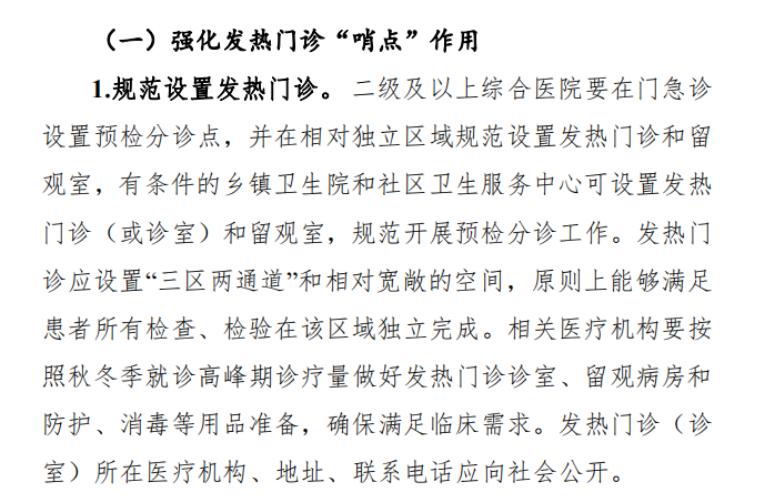
However, many medical institutions often face many problems when setting up fever clinics and isolating wards, such as insufficient existing building area, lack of independent air conditioning in the original fever clinics, insufficient reconstruction funds, and difficulty in realizing reasonable zoning of "three districts and two channels". Many primary medical institutions can only take the measures of building board houses outdoors or tents with ventilation on all sides to solve their urgent needs. However, the board house is not flexible enough to move; The tent can’t adapt to the weather conditions that it is too hot in summer or too cold in winter, and the comfort of medical staff is extremely poor. Moreover, due to the structural characteristics of the tent, the airflow in the tent can’t be reasonably organized and purified, and there is a risk of epidemic spread.
According to the requirements of normalization and epidemic prevention and control in autumn and winter, in addition to medical institutions, airports, passenger stations, entry and exit points, prisons, large enterprises and institutions, schools and other places with large traffic also need to set up temporary isolation rooms, so that patients with unexplained fever, suspected or diagnosed COVID-19 can take local isolation measures in time. However, this kind of place often has a huge flow of people and complicated conditions. The cost of building a temporary isolation room with independent air conditioning and purification system is too high, and it can not be used after the epidemic, which is easy to cause waste. If there is a kind of equipment, it can not only quickly improve the emergency response capability and prevention and control level of the site, but also meet other needs of the combination of peacetime and wartime.
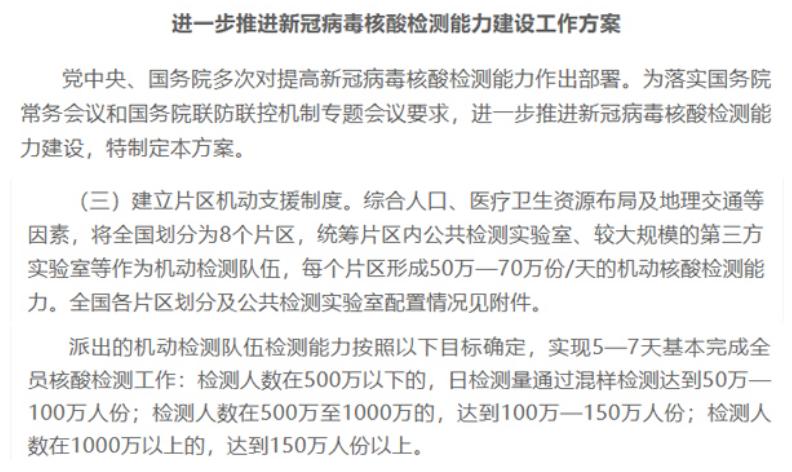
From Beijing to Xinjiang, from Xinjiang to Qingdao, we have fully realized the importance of extensive nucleic acid detection in implementing the "four early" and precise prevention and control strategies. Qingdao detected a total of 10.92 million nucleic acid samples in five days, ranking first in the world, many of which were realized by mobile nucleic acid sampling points. However, the current mobile nucleic acid sampling points are often simple in facilities and difficult in conditions, which brings infection risks to medical staff and sampled people.
Is there a plan that can solve the problems we have encountered above, so that everyone can calmly meet the needs of normalized epidemic prevention and control in peacetime and wartime? At present, there is a portable medical space on the market, and its powerful function can solve all our problems:
① It can be used as a fever sentinel, a nucleic acid sampling point, a temporary isolation room and other scenes;
(2) it can be built in a short time when in use, can be quickly stored when not in use, does not occupy space, and is convenient for transportation when being carried;
(3) it has the function of exhaust and purification, and negative pressure is formed inside the space, which does not pollute the external environment;
④ With temperature control function, it can adapt to the temperature in different seasons in spring, summer, autumn and winter, and provide a comfortable environment for medical patients.
Read the original text

关于作者