标签归档 上海后花园最新论坛

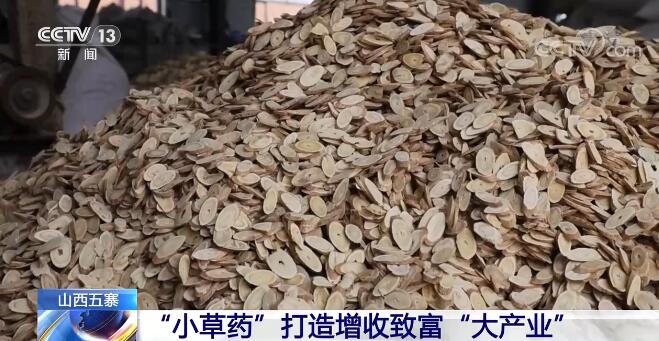
"Small Herbs" Create a "Big Industry" to Increase Income and Get Rich, and the industrial benefits of Chinese herbal medicines in Wuzhai County, Shanxi Province are prominent

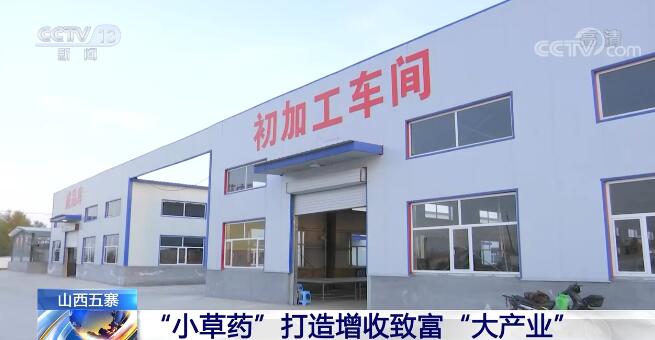
CCTV News:Wuzhai County, Shanxi Province is a national key county for poverty alleviation and development. In recent years, the local government has made great efforts to develop the cultivation of Chinese herbal medicines by making use of the abundant wild Chinese herbal medicine resources and the unique geographical advantages of Chinese herbal medicine cultivation, and made efforts to turn "small herbs" into a "big industry" for local people to increase their income and get rich.

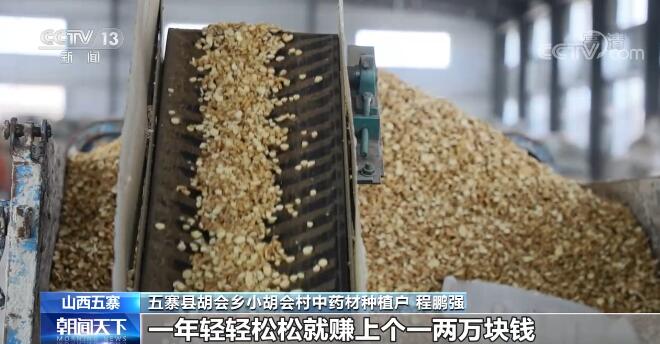
These days coincided with the best season for planting Chinese herbal medicines, and Chinese herbal medicine growers in Wuzhai County came to the field early to get busy. In recent years, through the development of Chinese herbal medicine cultivation, the benefits generated by the land have increased day by day, and many young people who go out to work have returned to the village to start developing Chinese herbal medicine cultivation.

Cheng Pengqiang, a Chinese herbal medicine grower in Xiaohuhui Village, Huhui Township, Wuzhai County:In recent years, my hometown has been engaged in planting Chinese herbal medicines. I have three or four acres of land to keep up with and also plant Chinese herbal medicines. When I am young and relaxed, I earn 10,000 to 20,000 yuan.

Farmers’ enthusiasm for planting Chinese herbal medicines has increased. Relying on the favorable conditions of counterpart assistance in state administration of traditional chinese medicine, the local authorities have introduced large-scale planting enterprises and cooperatives, supported leading enterprises and cooperatives of Chinese herbal medicines to become bigger and stronger, and vigorously developed large-scale centralized contiguous planting of Chinese herbal medicines.

Liu Zhicheng, county magistrate of Wuzhai County:With the help of state administration of traditional chinese medicine’s advantages, we will focus on improving the quality and efficiency of the industry and vigorously develop the authentic Chinese herbal medicine industry.

At present, Wuzhai County has developed 10 Chinese herbal medicine planting and production enterprises and professional cooperatives, with 11 large-scale planting households, and more than 6,000 people in the county are engaged in the production of Chinese herbal medicines; The net income per mu of Chinese herbal medicine planting reached more than 1800 yuan, and the industrial benefits of Chinese herbal medicine were prominent.

The General Office of the State Council issued a notice on printing and distributing the overall plan for the comprehensive reform of factor market allocation.

  People’s governments of all provinces, autonomous regions and municipalities directly under the Central Government, ministries and commissions and institutions directly under the State Council:

  "The overall plan for the comprehensive reform of factor market allocation" has been approved by the State Council and is hereby issued to you, please earnestly organize its implementation.

  the General Office of the State Council

  December 21, 2021

  (This piece is publicly released)

  Overall scheme of comprehensive reform pilot of factor marketization allocation

  In order to thoroughly implement the "Opinions of the Central Committee of the Communist Party of China and the State Council on Building a More Perfect System and Mechanism of Factor Marketization Allocation", this plan is now formulated to actively and steadily carry out the pilot work of comprehensive reform of factor marketization allocation.

  I. General requirements

  (1) Guiding ideology. Guided by Socialism with Chinese characteristics Thought of the Supreme Leader in the New Era, we will fully implement the spirit of the 19th National Congress of the Communist Party of China and its previous plenary sessions, carry forward the great spirit of party building, adhere to the general tone of striving for progress while maintaining stability, implement the new development concept completely, accurately and comprehensively, accelerate the construction of a new development pattern, give full play to the decisive role of the market in resource allocation, give full play to the role of the government, and strive to break down the institutional and institutional obstacles that hinder the independent and orderly flow of factors. Comprehensively improve the efficiency of coordinated allocation of factors, take the comprehensive reform pilot as the traction, better coordinate development and safety, actively explore new paths for improving the factor market system and building a high-standard market system, and provide a strong impetus for promoting high-quality economic and social development.

  (2) Basic principles.

  — — Top-level design and grassroots exploration. In accordance with the unified arrangements of the CPC Central Committee and the State Council, and on the premise of maintaining the unified national market, we will support qualified areas to make bold reforms and explorations in light of the actual situation, respect grassroots initiative, pay attention to summing up experience, standardize and upgrade in a timely manner, and provide a path model that can be replicated and promoted for the whole country.

  — — System integration, coordination and high efficiency. Highlight the systematicness, integrity and synergy of the reform, promote the mutual cooperation and promotion of the reform measures of market-oriented allocation of factors in various fields, and improve the efficiency of the combined allocation of different factor resources.

  — — Problem-oriented and adapted to local conditions. Firmly grasp the correct direction of reform, focus on the key areas, key links and the strongest problems reflected by market players in the construction of factor markets, and encourage localities to carry out differentiated pilot exploration in light of their own characteristics.

  — — Strive for progress steadily and keep the bottom line. Proceed from reality, adhere to the premise of safety and controllability, respect objective laws, scientifically grasp the time sequence, rhythm and steps of work, organically combine liberalization with management, effectively prevent risks, and steadily and orderly promote the pilot.

  (3) Pilot layout. Focusing on promoting the implementation of major national strategies, according to different reform tasks, priority should be given to urban agglomerations, metropolitan areas or central cities with urgent reform needs, good work foundation and great development potential, and pilot projects for comprehensive reform of factor marketization allocation should be carried out, and the number and scope of pilot projects should be strictly controlled. The Party Central Committee, the State Council authorized the implementation and relevant organizations to implement the reform and exploration tasks involving the market-oriented allocation of factors, in principle, priority should be given to the pilot areas. The pilot period is 2021— In 2025.

  (4) Work objectives. In 2021, the pilot work of comprehensive reform of factor market allocation will be launched. In the first half of 2022, the layout of the pilot areas and the preparation and approval of the implementation plan will be completed. By 2023, the pilot work will achieve phased results, strive to achieve important breakthroughs in key links of market-oriented allocation of land, labor, capital, technology and other factors, and make positive progress in the exploration of basic system construction of market-oriented allocation of data elements. By 2025, the pilot tasks will be basically completed, and the market-oriented allocation reform of factors will achieve landmark results, making an important demonstration for improving the national factor market system.

  Second, further improve the efficiency of land element allocation

  (five) support the exploration of land management system reform. Reasonable division of land management powers, under the premise of strictly protecting cultivated land and saving intensive land, explore giving the pilot areas greater autonomy in land allocation. Eligible areas are allowed to explore the inter-provincial adjustment and use mechanism of savings indicators linked to the increase or decrease of urban and rural construction land. Explore the establishment of a conversion mechanism for the evaluation of the quality of supplementary cultivated land. Under the premise of strictly implementing the balance of cultivated land occupation and compensation and ensuring that one is supplemented, strictly control the scale of national overall planning of supplementary cultivated land, strictly check the quality of supplementary cultivated land, and achieve dominance and replenishment. Support the comprehensive improvement of land in the whole region, optimize the spatial layout of production, life and ecology, and strengthen the trinity protection and construction of cultivated land quantity, quality and ecology.

  (six) to encourage the optimization of industrial land supply. Encourage the use of long-term lease, lease first and then let, flexible annual supply and other ways to supply industrial land. Optimize the transfer period of industrial land and improve the flexible transfer period system. Support the implementation of "standard land" transfer of industrial land to improve allocation efficiency. Support the rational conversion of different industrial land types, and improve policies such as land use change, integration and replacement. Explore increasing the supply of land for mixed industries. Support the establishment of an evaluation mechanism for the output benefit of industrial enterprises, and strengthen the refined management and economical and intensive use of land.

  (seven) to promote the market-oriented way to revitalize the stock of land. Encourage pilot areas to explore ways to refine and improve the identification standards of urban inefficient land through detailed evaluation of the state of economical and intensive use of construction land, and encourage measures such as negotiation and recovery according to law, agreement replacement, and cost rewards and punishments to promote the withdrawal of urban inefficient land. We will promote the active use of existing land in state-owned enterprises and institutions, and encourage market players to promote the redevelopment of inefficient land in cities and towns through construction land consolidation. Standardize and improve the secondary land market, improve the system of transfer, lease and mortgage of construction land use rights, and support the transfer of construction land use rights through land advance registration. Explore innovative measures for comprehensive utilization of above-ground and underground space.

  (eight) to establish and improve the unified urban and rural construction land market. On the premise of firmly keeping the three bottom lines of the nature of public ownership of land, the red line of cultivated land and the interests of farmers, we will support the pilot areas to explore the realization forms of the separation of ownership, qualification and use rights of homesteads in combination with the new round of rural homestead system reform pilots. On the premise of voluntary compensation according to law, it is allowed to change the use of the stock of collective construction land into the market according to the plan. In the audit standard of enterprise listing compliance, collectively operated construction land and state-owned construction land are treated equally. Support the establishment and improvement of rural property rights transfer market system.

  (9) Promoting the rational and orderly use of the sea. Explore the establishment of a comprehensive marine ecological environment management system that integrates coastal areas, sea areas and river basins. Coordinate the management of land and sea resources, support the improvement of the paid use system of sea areas and uninhabited islands, and strengthen the dynamic monitoring of coastline. On the premise of strictly implementing the requirements of land use control and marine ecological environment protection, and strictly controlling reclamation activities, we will explore the promotion of primary market development and secondary market circulation in sea areas, and explore the three-dimensional layered right to use sea areas.

  Third, promote the rational, smooth and orderly flow of labor factors

  (10) Further deepen the reform of the household registration system. Support qualified pilot areas to carry out cumulative mutual recognition of household registration access years in the same city and mutual recognition of residence permits in urban agglomerations or metropolitan areas, and try to register household registration system with permanent residence to realize the provision of basic public services in permanent residence. Support the establishment of a population management service system marked by ID cards, expand the information capacity of ID cards, and enrich application scenarios. The construction of population development monitoring and analysis system will provide support for major policy formulation, public resource allocation and urban operation management. Establish and improve the financial transfer payment, housing supply, teachers and doctors and other security mechanisms that are suitable for the size of the resident population in the region.

  (eleven) to speed up the smooth flow of labor and talent social channels. Guide employers to adhere to the demand orientation, take practical measures to attract talents, and promote the rational and orderly flow of management talents of party and government organs, state-owned enterprises and institutions, and social organizations under the premise of not attracting talents with talent titles and academic titles, and not grabbing high-level talents in the central and western regions and northeast regions during the contract period. Improve the staffing management system of public institutions and make overall use of staffing resources. Support institutions to introduce urgently needed high-level specialized talents through special posts. Support the exploration of policies to protect the rights and interests of flexible employees. Explore the establishment of an effective linkage mechanism between vocational qualification certificates, vocational skill level certificates and academic certificates. Accelerate the development of human resources service industry, and take the scale and quality of service employment as the primary criterion to measure the development effectiveness of the industry.

  (twelve) to stimulate the vitality of talent innovation and entrepreneurship. Support the scientific research personnel of public institutions to leave their posts to innovate and start businesses in accordance with relevant state regulations. Promote the decentralization of professional title evaluation power, and give qualified enterprises, institutions and social organizations the right to evaluate senior professional titles. Strengthen the cultivation of innovative and skilled talents, and expand the team of high-level engineers and skilled talents. Strengthen the construction of technology transfer professionals, explore the establishment and improvement of evaluation and incentive methods for talents who transform scientific and technological achievements and intellectual property management operators, and improve the evaluation criteria for technology transfer and transformation titles.

  Fourth, promote capital factors to serve the development of the real economy

  (13) Increase the supply of effective financial services. Relying on the national credit information sharing platform, we will increase the sharing and integration of public credit information. Give full play to the role of credit reporting platform and credit reporting institutions, and establish a sharing and integration mechanism between public credit information and financial information. Promote the "credit-easy loan" model, make good use of the supply chain bill platform, the unified registration and publicity system for movable property financing, and the accounts receivable financing service platform, and encourage financial institutions to develop credit products that match the needs of small and medium-sized enterprises. Explore the establishment of a rapid write-off system for bad debts of small and medium-sized enterprises. Explore the deepening cooperation between banking institutions and external equity investment institutions, and develop diversified technology and finance products. Support the pilot use of digital RMB in retail transactions, living payment, government services and other scenarios. Support the improvement of the governance structure of small and medium-sized banks and rural credit cooperatives and enhance financial inclusiveness.

  (fourteen) the development of multi-level equity market. Innovate the stock-bond combination products in the New Third Board market and enrich the investment and financing tools for SMEs. Select a regional equity market with standardized operation safety and strong risk management ability, and carry out pilot projects of system and business innovation. Explore the mechanism to strengthen the cooperation between the regional equity market and the national securities market.

  (fifteen) improve the local financial supervision and risk management system. Support qualified pilot areas to innovate financial supervision methods and tools, and implement standardized access approval and post-event supervision for various local financial organizations. According to the principle of territoriality, the supervisory responsibility and risk disposal responsibility of the provincial people’s government should be consolidated.

  Five, vigorously promote the transformation of technical factors into real productive forces.

  (sixteen) improve the property rights system of post scientific and technological achievements. Support the pilot project of giving scientific researchers the ownership or long-term use right of scientific and technological achievements, and explore extending the pilot experience to more universities, research institutes and scientific and technological enterprises. Support relevant universities and research institutes to explore innovative management methods for the transformation of scientific and technological achievements. Support the authorization of post scientific and technological achievements to small and medium-sized enterprises through licensing. Improve the trading and supervision system of technical factors and promote the entry of scientific and technological achievements. Improve the fault-tolerant and error-correcting mechanism for the transfer and transformation of post scientific and technological achievements.

  (seventeen) improve the allocation of scientific and technological innovation resources. Explore the coordinated allocation of innovative resources for major strategic projects, key industrial chains and innovation chain, and build an innovative service system with integrated allocation of projects, platforms, talents and funds. Strengthen the dominant position of enterprise innovation, reform the mechanism of collection, project establishment, management and evaluation of scientific and technological projects, support industry leaders to take the lead in setting up innovation consortia, and explore the implementation of the chief expert responsibility system. Support industry leaders to provide early application scenarios and applicable environments for key core technologies through customized product research and development.

  (eighteen) to promote the integration of technology and capital elements. Support financial institutions to set up specialized branches in technology and finance, and increase financial support for the transformation of scientific research achievements and innovative and entrepreneurial talents. Improve the supervision system and development policy of venture capital. Support high-quality technology-based enterprises to go public or raise funds. Improve the financing mechanism of intellectual property rights and expand the financing scale of intellectual property pledge. Encourage insurance companies to actively carry out science and technology insurance business, and develop intellectual property insurance, product research and development liability insurance and other products in compliance with the law.

  Six, explore the establishment of data elements circulation rules

  (nineteen) improve the open sharing mechanism of public data. Establish and improve an efficient public data sharing and coordination mechanism, support the creation of a basic support platform for public data, and promote the collection, integration, orderly circulation and sharing of public data. Explore and improve the management system of public data sharing, openness, operational services and security. Give priority to the opening of high-value data sets such as enterprise registration and supervision, health and wellness, transportation and meteorology to the society. Explore the operation of government data authorization.

  (twenty) to establish and improve the rules of data circulation and trading. Explore the trading paradigm of "the original data does not leave the domain, and the data is available and invisible". Under the premise of protecting personal privacy and ensuring data security, we will promote the application of data circulation in some fields step by step and orderly. Explore the establishment of a data use and dosage control system to achieve "controllable and measurable" data use. Standardize and cultivate the main players in the data trading market, develop market operation systems such as data asset evaluation, registration and settlement, transaction matching and dispute arbitration, and steadily explore the development of data assetization services.

  (twenty-one) to expand the standardized data development and utilization scenarios. Give play to the role of leading enterprises and industry organizations, and promote the standardization of data collection in the fields of artificial intelligence, blockchain, car networking, and Internet of Things. Deepen the social experiment of artificial intelligence and carry out pilot projects for innovative application of blockchain. In key areas such as finance, health, electric power and logistics, we will explore product and service innovation with data as the core, support the creation of unified technical standards and an open innovation ecology, and promote the circulation of commercial data, cross-regional data interconnection, and the application of government-enterprise data integration.

  (22) Strengthen data security protection. Strengthen the requirements of network security level protection, promote the improvement of data classification security protection system, and use technical means to build a data security risk prevention and control system. Explore and improve the system of authorized use of personal information. Explore the establishment of a data security use commitment system, explore the development of big data analysis and transaction prohibition lists, and strengthen post-event supervision. Explore ways to control the cross-border flow of data and improve the safety management system for important data leaving the country.

  Seven, strengthen the construction of resources and environment market system.

  (twenty-three) to support the improvement of resource market trading mechanism. Support the pilot areas to improve the market-oriented trading mechanism of electricity, improve the quality of signing contracts for medium and long-term electricity transactions, carry out pilot spot trading of electricity, and improve the auxiliary service market of electricity. In accordance with the principle of equity diversification, accelerate the shareholding system reform of power trading institutions, promote the independent and standardized operation of power trading institutions, and realize the standardization of power trading organization and dispatching. Deepen the market-oriented reform of natural gas and gradually build a market mechanism for gas storage auxiliary services. Improve the competitive transfer system of mining rights, establish and improve the strict exit mechanism of exploration blocks, and explore reserves trading.

  (twenty-four) support the construction of green factor trading mechanism. On the basis of clarifying the red line of ecological protection, the bottom line of environmental quality and the online utilization of resources, we will support the pilot areas to further improve the trading mechanisms such as carbon emission rights, emission rights, energy use rights and water use rights, and explore ways to promote the better connection between green factor trading and energy and environmental targets. Explore the establishment of a paid acquisition mechanism for carbon emission quotas and energy use rights indicators, and enrich trading varieties and trading methods. Explore the development of resource and environment equity finance. Explore the establishment of a green accounting system, an eco-product value realization mechanism, and green responsibility accounts of governments, enterprises and individuals.

  Eight, improve the factor market governance.

  (twenty-five) improve the factor market trading platform. Continue to promote the integration and sharing of public resource trading platforms, expand the functions of public resource trading platforms, and gradually cover public resources such as natural resources and asset equity that are suitable for market-oriented allocation. Standardize the development of big data trading platforms. Support enterprises to participate in the construction of factor trading platform and standardize the operation of factor trading platform. Support the factor trading platform to cooperate with financial institutions and intermediaries to form a comprehensive service system covering property rights definition, price evaluation, circulation trading, guarantee, insurance and other businesses.

  (twenty-six) to strengthen the supervision of the factor trading market. Innovate the rules and services of factor trading and explore effective ways to strengthen the management and supervision of factor prices. Improve the information disclosure system of factor transactions. Deepen the "streamline administration, delegate power, strengthen regulation and improve services" reform, strengthen the construction of the credit system of the factor market, and create a market-oriented and legalized international business environment. Strengthen anti-monopoly and anti-unfair competition law enforcement, standardize trading behaviors, incorporate illegal behaviors of trading subjects into credit record management, and pursue accountability and punishment for serious dishonesty. Carry out big data analysis of factor market transactions, and establish and improve the risk analysis, early warning and prevention and classified disposal mechanism of factor transactions. We will promote the reform of the bankruptcy system and establish and improve the bankruptcy system for natural persons.

  Nine, to further play the synergistic allocation effect of factors.

  (twenty-seven) to improve the global advanced factors gathering ability. Support the exploration and formulation of foreign high-end talent identification standards, and provide convenience for overseas talents to practice entry and exit and stop residence. Support qualified domestic and foreign investors to set up securities, futures, funds, insurance and other financial institutions in the pilot areas according to laws and regulations. Explore new modes of international scientific and technological innovation cooperation, and support qualified pilot areas to attract teams of scientists with top innovation ability around the world around global issues. Support industry leaders to take the lead in setting up international industry and standards organizations and actively participate in the formulation of international rules.

  (twenty-eight) improve the distribution mechanism according to factors. Increase the proportion of labor remuneration in the initial distribution and strengthen the skill value incentive orientation of wage income distribution. Build a profit distribution mechanism that fully reflects the value of innovative elements such as knowledge, technology and management. Innovate the way of obtaining and using homestead income, and explore effective ways for farmers to share land value-added income for a long time. Reasonably allocate the value-added benefits of collectively-operated construction land entering the market, taking into account the rights and interests of the state, rural collective economic organizations and rural residents. Explore increasing residents’ property income, encourage and guide listed companies to pay dividends in cash, and improve the investor rights protection system.

  X. Strengthening organization and implementation

  (twenty-nine) to strengthen the overall leadership of the party. Adhere to and strengthen the party’s leadership over the pilot reform of the market-oriented allocation of factors, strengthen the "four consciousnesses", strengthen the "four self-confidences" and achieve the "two maintenances", give full play to the party’s leadership core role of taking the overall situation and coordinating all parties, and put the party’s leadership throughout the pilot work.

  (thirty) the implementation of local responsibility. All pilot areas should put the comprehensive reform pilot of factor market allocation in an important position, enhance the sense of mission and responsibility, strengthen organizational leadership, improve the implementation mechanism, scientifically grasp the timing, rhythm and steps under the premise of overall controllable risks, and actively and steadily promote the implementation of the reform pilot tasks. During the pilot process, it is necessary to strengthen dynamic tracking analysis, carry out pilot effect evaluation, and submit important policies and major reform measures for approval according to procedures.

  (thirty-one) to establish an organization and coordination mechanism. Establish an inter-ministerial coordination mechanism led by the National Development and Reform Commission with relevant departments as member units to promote the comprehensive reform of market-oriented allocation of factors, be responsible for coordinating the pilot work, determine the pilot areas, coordinate and solve major problems, and strengthen supervision and inspection. The National Development and Reform Commission shall, jointly with relevant parties, guide the pilot areas to prepare the implementation plan and list of authorized items, and organize the implementation after approval according to procedures; On the basis of local self-assessment, third-party assessments are carried out regularly. For the pilot areas that have achieved remarkable results, they should be commended and encouraged, and the promotion experience should be summarized in time; For the pilot areas with insufficient motivation, ineffective implementation and ineffective results, it is necessary to make rectification within a time limit, and those that are not in place should be adjusted according to procedures to withdraw from the pilot. Important situation timely report to the CPC Central Committee and the State Council.

  (thirty-two) to strengthen the protection of the rule of law. Establish and improve the laws, regulations and policy adjustment mechanisms that are compatible with the comprehensive reform pilot of factor market allocation, coordinate the related laws and regulations, and do a good job of connecting with the relevant laws and regulations. The reform measures and authorization matters to be implemented in the pilot areas, which involve the adjustment of existing laws or administrative regulations, shall be implemented after being authorized by the National People’s Congress and its Standing Committee or the State Council according to law; Other related to the adjustment of departmental rules and regulatory documents, the relevant parties shall, in accordance with the requirements of this plan and the approved list of authorized matters, give the reform authorization to the relevant pilot areas at one time according to the law.
AI big model has entered the beauty industry, and "skin adaptation" has become a new trend.

Throughout the global market, consumers’ demand for cosmetics is becoming more and more subdivided and diversified. At the just-concluded 6th China International Import Expo, "smart customization" was the focus of the industry. Many internationally renowned cosmetics brands were equipped with AI smart beauty products such as skin analysis equipment, skin health management, smart makeup and high-tech beauty instruments, and artificial intelligence personalized customized cosmetics became an important track.
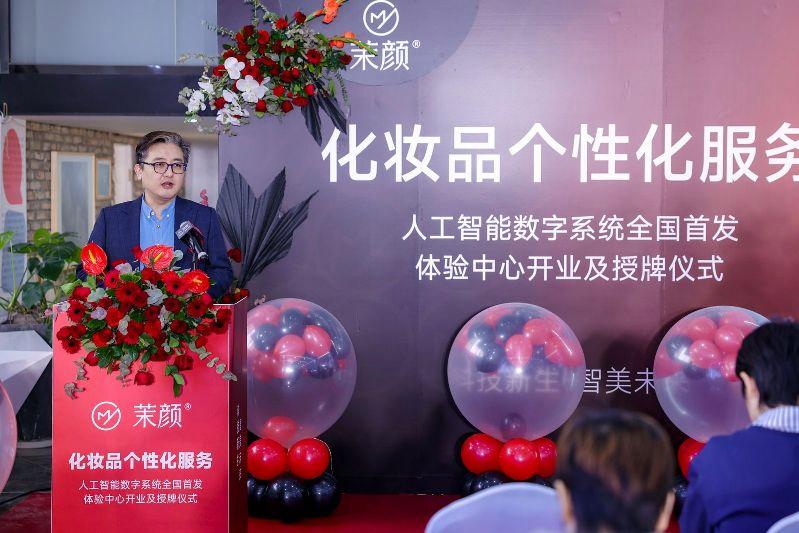
On November 28th, 2023, the Cosmetic Personalized Service Experience Center of Beijing Moyan Customized Biotechnology Co., Ltd. (hereinafter referred to as "Moyan") was unveiled in Changping, Beijing, and the first artificial intelligence digital system (AISPS) of cosmetic personalized service in China was released on the spot, which means that the cosmetic personalized service of "skin-fitting" is officially open to the public.
Sun Kai, senior vice president of Meitu Company and president of Beijing Moyan Custom Biotechnology Co., Ltd., said in his speech that the domestic cosmetic personalized service policies issued by National Medical Products Administration, Beijing Food and Drug Administration and Changping District Government in recent years have pointed out the direction for Moyan’s development. Mo Yan hopes to grow together with consumers, and through rapid discovery, research and iteration in the ever-changing market, make the personalized service of cosmetics closer to users and provide better experience for users.
In the domestic market, with the continuous growth of consumers’ personalized demand, it is becoming a new direction of the industry to accurately solve the skin health problems and nursing needs of Chinese people and develop future technology skin care services. Experts in the industry pointed out that at present, the personalized demand of consumers’ cosmetics is obvious, and the future development opportunities of China’s cosmetics personalized service market are worth looking forward to. Mo Yan released the first national artificial intelligence digital system (AISPS) for cosmetics personalized service, which will accelerate the landing of China’s cosmetics personalized service market and open up new growth points for the cosmetics industry.
It is reported that based on Meitu’s AI technology reserves in face technology, image segmentation, image enhancement and image generation, Mo Yan has been exploring skin care solutions based on artificial intelligence since 2019. With the support of AISPS system, combined with the self-built skin database, Mo Yan has conducted many exchanges and discussions and experiments with many domestic universities, scientific research institutions and dermatologists, and put forward and built "ASTP population typing theory" and "AI skin analysis network model".
Based on the "ASTP population classification theory", Mo Yan feeds back the subjective questionnaire data and objective skin detection data of consumers to the data analysis background of AISPS artificial intelligence digital system, and the system puts the extracted data into the "AI skin analysis network model". Through AI calculation and analysis, it scales the suitable groups and gives the best ratio of groups, forming a skin solution exclusive to each consumer and providing consumers with accurate, safe, fast and caring all-round personalized services.
It is understood that at present, Mo Yan can match 137,088 skin solutions. With the continuous training and upgrading of the model, the expansion of the group and the optimization of the algorithm, millions or even billions of skin solutions will be formed in the future, and finally the AI ​ ​ analysis model for personalized service of cosmetics will be improved. (Reporter Jiao Ziyuan)
Source: Guangming Net
Reporting/feedback

Many people have been poisoned! Recent high incidence, urgent reminder

In the spring of March, the grass grows and the warblers fly.

All kinds of wild vegetables began to grow all over the mountains.

Many people have a spring outing.

I always pick some and take them home for early taste.

Wild vegetables are good, but you can’t eat them indiscriminately.

Once eaten improperly.

Very easy to cause poisoning.

Because of eating wild vegetables by mistake in life

Recently, it has entered a period of high incidence.

There are not a few cases of poisoning admission.

Edible sewage potherb

Abdominal pain, diarrhea and dehydration

Recently, in Yichang City, Hubei Province, Uncle Liu saw a lot of wild Artemisia selengensis growing in the grass of a sewage outlet on the river beach, so he took a big bag home to relieve his hunger.

When cooking at noon, Uncle Liu deliberately soaked wild vegetables in clear water several times before cooking, and then ate up a plate of wild Artemisia selengensis cold salad. At about 14 o’clock that day, Uncle Liu began to have abdominal pain and diarrhea with obvious dehydration symptoms, and his family was busy taking him to the hospital.

After examination, the doctor diagnosed it as food poisoning, and the cause was related to eating wild vegetables. Fortunately, medical treatment is timely, and after symptomatic treatment, there is no serious problem.

Shock caused by the elderly eating wild vegetables by mistake

Recently, in Wuhan, Hubei Province, when the 62-year-old Hu Dad (Hua surname) went out for an outing, he found a familiar plant on the roadside, which was very similar to the bitter vegetables he had eaten before. So, Hu dad came to the fun, dug a big bag and prepared to take it home for a taste.

That night, Hu dad couldn’t wait to wash the wild vegetables, blanch them and drain them, and made a cold dish of wild vegetables. A person quickly eats a dish and rests contentedly on the sofa.

Not long after, Hu Dad began to vomit and diarrhea. When his family saw that his face was not good and his lips were white, he quickly sent him to the hospital for emergency treatment. According to family members’ memories, when the old man arrived at the hospital, he had symptoms such as vague consciousness and vague speech.

The doctor said that the blood pressure of the elderly continued to drop, and there was shock, and liver and kidney functions were damaged. It was suspected that the cause was eating poisonous wild vegetables by mistake. The medical staff immediately started the rescue, and the old talents turned to safety.

Eating the wrong "wild celery" almost killed you.

In March 2018, Mr. Zhao from Changsha County, Hunan Province took a handful of "wild celery" home, and Mr. Zhao’s wife, Ms. Jiang, fired one at noon. Ms. Jiang ate more of this "wild celery", while Mr. Zhao and her 9-year-old daughter only took a sip.

Shortly after the meal, Mr. Zhao’s wife felt sick and nauseous. Subsequently, Mr. Zhao took a handful of "wild celery" left on the ground and immediately sent his wife to the doctor.

After confirmed by the disease control department, this wild vegetable is called Shilongrui, which is very similar to celery and highly toxic. After eating by mistake, the mouth is burning, followed by swelling, difficulty chewing, severe diarrhea, slow pulse, difficulty breathing, dilated pupils, and severe cases will die within more than 10 hours.

On the occasion of everyone’s outing

Don’t pick wild vegetables and fruits on the roadside at will.

Many of them are highly toxic.

Such as the following, are all "toxic"

In addition, wild vegetables in some places can’t be picked and eaten, such as wild vegetables in parks and urban public green spaces, which may be sprayed with pesticides; Wild vegetables beside the expressway will be polluted by automobile exhaust gas; Factories, garbage bags and wild vegetables near polluted rivers may contain a variety of toxins.

Shaanxi CDC issues food safety tips

01

Wild vegetable risk

When the weather gets warmer, many people dig some wild vegetables when they go out for an outing. Although wild vegetables have a unique flavor, the nutritional value of wild vegetables is not higher than that of artificially cultivated vegetables, but poisoning incidents caused by accidental picking and eating of wild vegetables occur frequently every year.

Take day lily and day lily as an example. Day lily is a kind of plants in the genus Hemerocallis, and most of them are inedible except day lily. For example, what we see in the flower beds every day is Hemerocallis gigantea or Hemerocallis gigantea. Hemerocallis contain colchicine, which is difficult to get rid of in cooking and processing. After eating by mistake, there will be symptoms of poisoning such as dry mouth, diarrhea and dizziness.

suggestion

1. Don’t pick wild vegetables in the park or on the roadside at will., Buy wild vegetables in regular supermarkets and farmers’ markets, and don’t buy them at casual traders.

Step 2 pick wild vegetablesDon’t choose unfamiliar and unfamiliar varieties. To avoid harm caused by eating poisonous wild vegetables.

3. Many wild vegetables are homologous to medicine and food.It is not advisable to eat too much at a time. . The elderly, infants, pregnant women and lactating women should try not to eat or eat less wild vegetables.

4. You must pay attention to picking wild vegetables.Avoid areas with environmental pollution., Such as chemical plants, sewage, roads, landfills and other nearby areas, even if the wild vegetables in these places grow luxuriantly, don’t pick them and eat them.

5. If you suspect that you have eaten wild vegetables by mistake, you should seek medical advice as soon as possible.. At the same time, keep the remaining ingredients and keep the certificate for investigation.

02

pickleRisk of making Toona sinensis buds

About Toona sinensis, it is rumored on the Internet that "eating Toona sinensis will cause cancer because it contains nitrite and nitrate" and "Toona sinensis contains nitrite, which may cause food poisoning if eaten improperly!"

Does Toona sinensis really contain nitrite? The results showed that the contents of nitrate and nitrite in Toona sinensis were in the lowest state at the germination stage, and gradually increased with the passage of time. Other vegetables also contain nitrate and nitrite, but the content in Toona sinensis is slightly higher, so it will not cause poisoning if eaten correctly.

How to eat Toona sinensis correctly

1. It is best to eat only the tender buds of Toona sinensis.

Toona sinensis should choose buds with purple leaves and buds below 16cm in length.. The contents of nitrate and nitrite in Toona sinensis are different in different periods. The contents of nitrate and nitrite in Toona sinensis are the lowest in germination period, and they will gradually increase with the passage of time.

2, blanch before eating.

Blanch is one of that best way to reduce nitrite,Blanching for 1 minute can remove more than 2/3 of nitrite and nitrate.

3. blanch it before quick freezing

Toona sinensis is a seasonal vegetable, and many people like to freeze it and eat it later.It is suggested that Toona sinensis should be blanched before quick freezing.. Blanching can quickly inactivate polyphenol oxidase in Toona sinensis, which is beneficial to maintain color and aroma.

4. The curing time of Toona sinensis buds is longer.

Because after curing, the content of nitrite will rise rapidly, reaching the peak in three or four days (when the salt content is 10%-20%), and the content far exceeds the permitted standard.It is suggested that Toona sinensis should be marinated for at least 2 weeks before eating until the nitrite content is reduced.

Content source: Hubei Fire People’s Daily Shaanxi Disease Control

Looking at the picture above, Chen Xianxing said that the rare edition: how to identify the Northern Song Dynasty engraving?

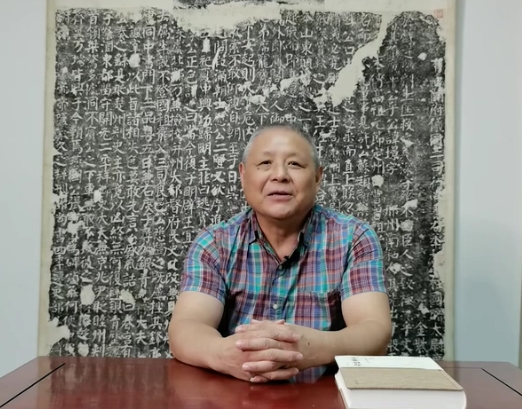
This paper is organized from the "Guanzhi Lecture Hall" founded by the Shanghai Library Historical Documentation Center, and Chen Xianxing, a senior researcher at the Shanghai Library Historical Documentation Center, explains rare ancient books.

Chen Xianxing was born in Shanghai in December 1951, and his ancestral home is Lishui, Jiangsu. In 1973, he joined the Shanghai Library, studied editions and epigraphy from Gu Tinglong and Pan Jingzheng, and was in charge of cataloging and edition identification of ancient books for a long time. He has been a visiting scholar at the University of California, Berkeley, and the China Literature Research Archive, and has compiled (including cooperating with others) a school-based catalogue of’s ancient manuscripts, a rare book of ancient books, a journal of Chinese ancient books in the East Asian Library of the University of California, Berkeley, a school-based appraisal of Ming and Qing manuscripts, a catalogue of Song manuscripts collected in Shanghai Library, an inscription and postscript of rare books in Shanghai Library and a rare book in Shanghai Library. He is currently a member of the National Cultural Relics Appraisal Committee, a librarian of Shanghai Literature and History Research Institute and a research librarian of Shanghai Library.

Chen Xianxing, Senior Research Fellow, Shanghai Library Historical Documentation Center

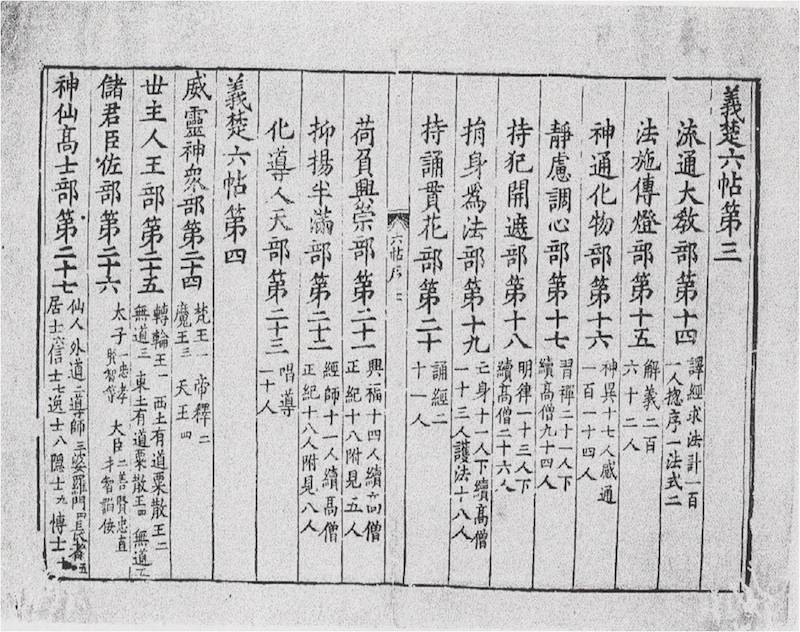
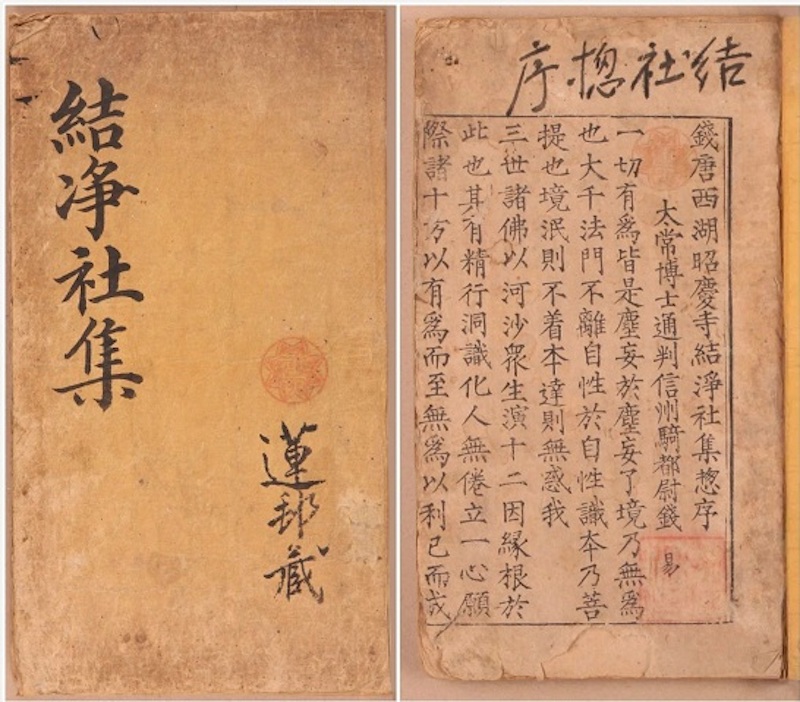
The Discovery and Identification of the Northern Song Dynasty’s Version of Shi’s Six Sticks and Hangzhou West Lake Zhaoqing Temple Jielian Society Collection

Today, there are about 3,000 surviving Song editions, except Buddhist scriptures, there are less than 20 in the Northern Song Dynasty, and its value is self-evident. Because of the scarcity, there was a lack of research on the engraving of the Northern Song Dynasty in the past, or the Southern Song Dynasty was regarded as the Northern Song Dynasty, and some people regarded the Northern Song Dynasty as the Southern Song Dynasty. It is not difficult for us to correct the former mistake now. For example, Du Xunhe’s Collected Works, a Southern Song Dynasty Shu edition, and Selected Poems of Wang Jinggong and Tang Hundred Schools, which were collected in the above picture, were all classified as Northern Song editions in the old days, but later changed to Southern Song editions with the improvement of people’s understanding. It is more difficult to correct the mistake of regarding the Northern Song Dynasty as the Southern Song Dynasty. This is not only the difficulty of identification, but also because people learned from the past and were skeptical or even contradictory from the beginning. For example, the Long and Short Classics in Weng’s collection has always been regarded as the Southern Song Dynasty edition, especially after being appraised by the officials of Siku Library, later generations habitually searched for the evidence printed in the Southern Song Dynasty along their thinking, but ignored many obvious features printed in the Northern Song Dynasty. Therefore, I said that the above picture is worth spending 4.5 million US dollars to buy a "Long Short Classic", and many other rare books are "given away" by Mr. Weng Wange. From this point of view, we should regard the identification and research of the Northern Song Dynasty edition as one of the important tasks of the development of edition science today, and it is not an exaggeration to call it filling the gap of predecessors.

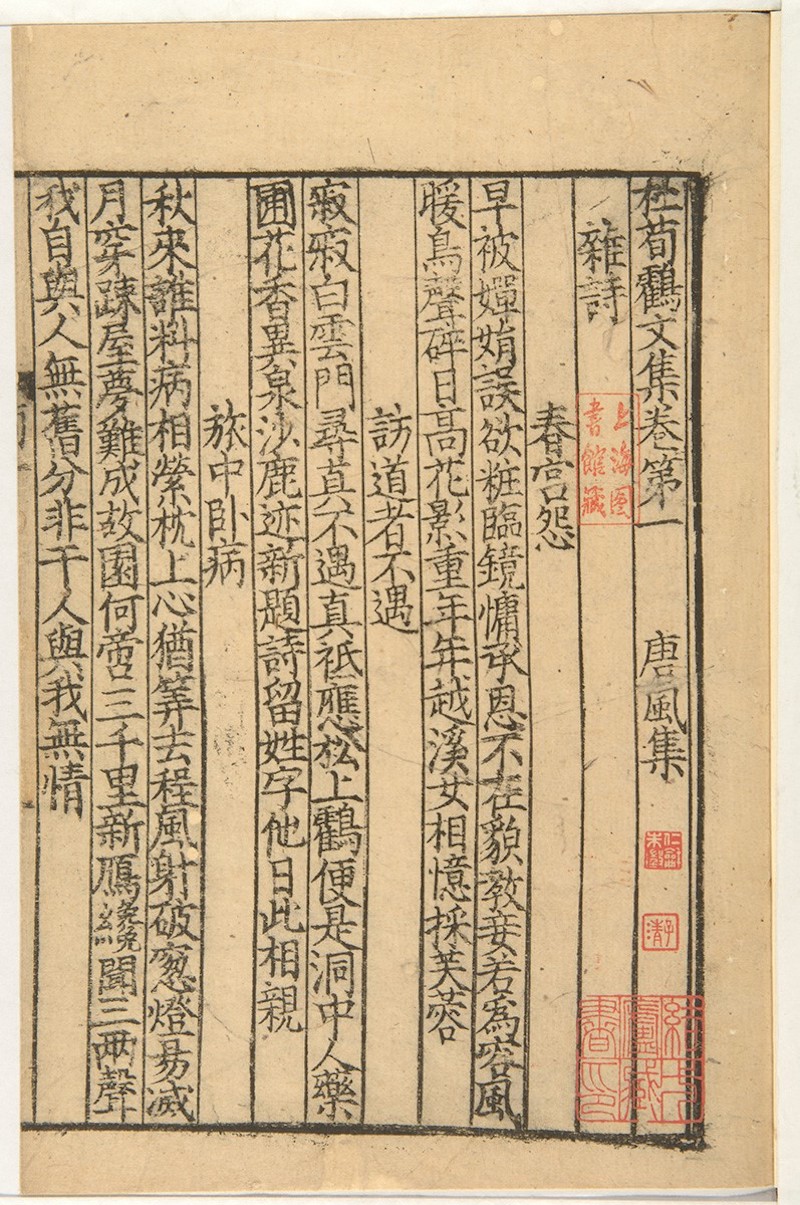
Du Xunhe’s Collected Works, a South Song Shu Engraving Edition, Collected in Shanghai Library.

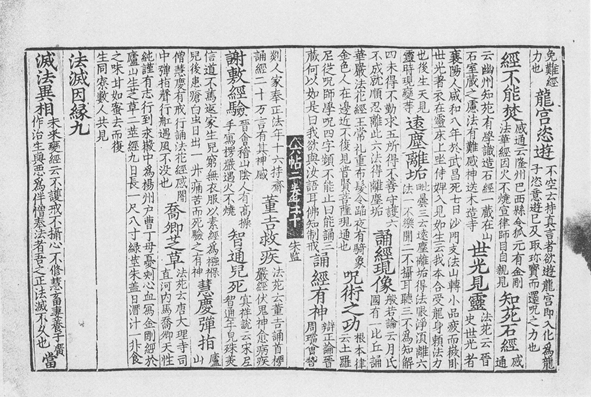
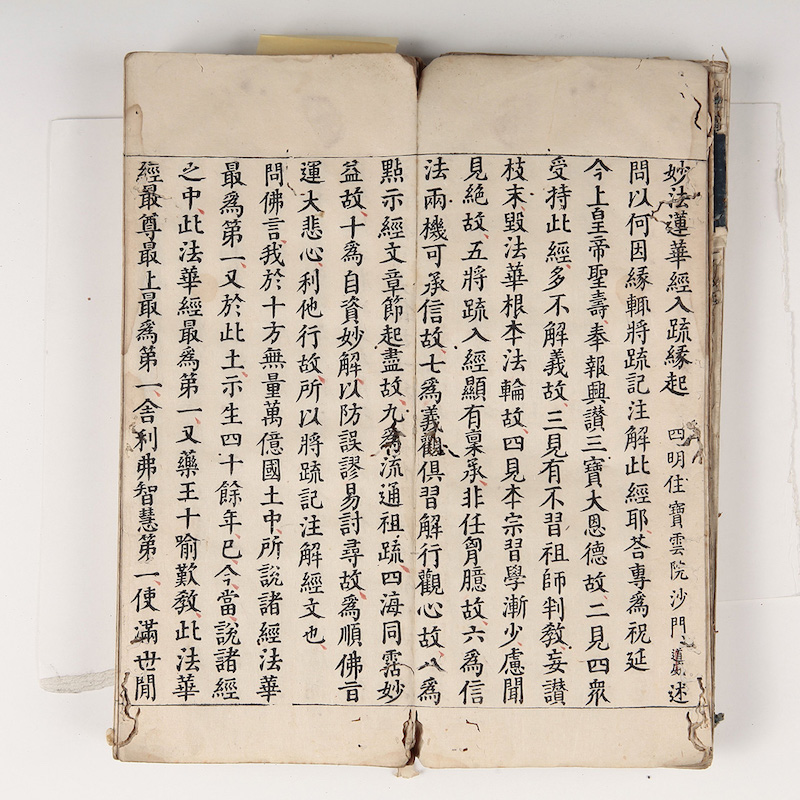
I’m here to introduce two books of the Northern Song Dynasty, one of which is Shi’s Six Posts, which is hidden in Tofuku-ji Temple, Kyoto. The other is "The Lotus Collection of Zhaoqing Temple in West Lake, Hangzhou", which was auctioned by Beijing Zhuode Auction Company in autumn in 2015 and finally received by the owner of Shanghai Fengjiang Bookstore.

Six Chapters of Shi’s is a Buddhist book imitating the style of Six Chapters of Bai’s, and its editor is Yi Chu, a high-ranking monk in Kaiyuan Temple of Qizhou in the later Zhou Dynasty. There are twelve volumes in the book. In 2001, this book was photocopied and published by Linchuan Bookstore, Japan, as one of the Series of Zen Classics compiled by two Japanese scholars, Saiyama Yanata and Hiroshi shiina, with the title "Six Chapters of Yi Chu", which was designated as a block-printed edition in the Southern Song Dynasty. In 2008, Chen Jie, now a professor at the University of Tokyo in Japan, came to the picture to read a book. I happened to see that she was carrying some copies of this book, and the engraving font was long and narrow European characters. I immediately said to her, "This is probably the Northern Song Dynasty edition, and its font is very similar to many European Northern Song Dynasty editions, including Long and Short Classics. If you have the opportunity to go to Japan, you must read the original book." In the winter of 2009, I got the opportunity to visit Japan for three months, thinking that I could see books there, but it was not. Because this book has always been hidden, few Japanese experts and scholars have read it. It is said that even Mr. shiina Hongxiong, who wrote the publication instructions of the photocopy, only saw the film. Therefore, after I arrived in Japan, I could only "have an eye addiction" with photocopies. Unexpectedly, I looked through it and found something.

This book is divided into volumes by strategy (that is, volume). The first three volumes are slightly rough in engraving, and the shape is uncertain. The number of volumes or the title "Volume" engraved in the center of the edition, or the title "Strategy", or in Yin or Yang, with fish tail and black mouth; From the fourth volume to the twelfth volume, the core of the edition is only a few questions, no fish tail, basically white mouth, and the shape is unified. At the end of the volume, in the second year of Chongning in the Northern Song Dynasty (1103), a monk in Kaiyuan Temple in Yuezhou carved a book with an inscription and postscript. This book was first proofread and engraved with four strategies, but it was not completed because of lack of funds, and it was only through various ways that it was able to continue to engrave. Although it is slightly different from the engraving, it is generally consistent (later, volumes 5 to 12 were engraved and published according to the layout of volume 4); Besides, the words Xuan, Lang, Jing, Hong, Yin, Kuang, Zhen, etc. are not strictly taboo, but they are all taboo in the temples of the Southern Song Dynasty, so the postscript of Lu Tan was not later reprinted, so it should be no problem to make this book a biennial publication of Chongning in the Northern Song Dynasty. However, this is not the first printed edition of Chongning. Depending on whether the book edition has been altered, rambled, revised or engraved, it is likely that the printing will be as late as the Southern Song Dynasty.

Photocopy of Shi’s Six Sticks (the title was changed to "Six Sticks of Yi and Chu")

In the past, Japanese academic circles have always called this book Six Chapters of Yi Chu, not because of the common name of the author, but because the book is clearly titled "Six Chapters of Yi Chu" at the beginning and end of the volume. However, after careful examination, I found that the word "Yi Chu" in each volume has been gouged out, not only leaving traces of gouging out, but also the word "Yi Chu" is a Liu Ti word, which is quite different from the word "Liu Tie" and the European word in the text. At the beginning of this book is Yi Chu’s Six Postscripts of Shi, and at the end is Yi Chu’s Preface to Six Postscripts of Shi, Hu Zheng’s Preface to Six Postscripts of Shi, and Lu Zhong’s Preface to Reopen Six Postscripts of Shi, so the word "be gouged out" should be "Shi", and the original title is actually "Six Postscripts of Shi".

In addition, Japanese scholars did not seem to pay attention to the repair of this book before. Judging from the photocopies, at least one feature is very obvious, that is, all the repaired editions are mostly Liu Ti characters, which are similar to the font of "Yi Chu" which was gouged out at the end of the volume. Related to this, most of the pages of this book have no engraved names, and some of them have only single words, and Zhu Jian is the only one with full names. Although they have not been found in other editions, it is difficult to check them, but they also have a feature, that is, all the engraved leaves are later supplemented. Therefore, even if Zhu Jian and other engravers can find out, they can only confirm the age of the repaired version, not the original engraving age. From the font, they are probably engravers in the Southern Song Dynasty.

Zhu Jian, the engraver on the photocopy of Shi’s Six Posts

With the help of Chen Jie and Mr. Naipujin of Kyoto University, I was lucky enough to visit Tofuku-ji Temple twice on December 19th, 2009 and March 4th, 2013. For the first time, I was only allowed to read for two hours, that is, from 9: 30 to 11: 30 in the morning, and I only read four volumes, that is, one third of the whole book. But before I left, I told the other party with certainty that this book should have been published in the Northern Song Dynasty. After listening to it, the other party’s eyes lit up and promised to let me read the whole book in the future. Soon, the famous Japanese version scientist Yasuo Ozaki heard Chen Jie say that I decided that the book was a book of the Northern Song Dynasty, and thought that I was overrated. So four years later, I invited Mr. Ozaki to go with me and read it all day. If the first reading of the original is only a rough proof of the previous reading of the photocopy, then after nearly four years, we will have a new understanding. The repaired version of this book has different faces, even if there are engravers, there are similarities and differences. For example, the heart of the sixty-first leaf of Volume 6 has the word "benevolence", and its frame is obviously smaller than the original one, and it is unilateral all around, which is different from that of the original one. However, the frame of the leaf engraved with Zhu Jian is the same as the original one. There are also advantages and disadvantages in the writing and engraving of the patch, such as the eighth and eleventh leaves of volume five, which may be ignored if not carefully identified; The inferior is like the twenty-first leaf of Volume 9. If you don’t know the background of this book, it seems that there is no doubt that it is a supplement to the Ming Dynasty based on experience. These phenomena not only infer that this edition may be mended more than once, but also remind me whether there will be any identification problems in some surviving Song Dynasty engraved Yuan editions or Song Dynasty engraved Yuan Ming handed-over editions, because some repaired editions,There is no clear evidence like the three dynasties edition of imperial academy in Nanjing in Ming Dynasty, but the predecessors made a judgment that the edition was revised in Yuan Dynasty or revised in Yuan Dynasty and Ming Dynasty because of its different fonts and the repaired edition was often worse than the original one. Is this judgment based on limited experience correct? In other words, should these books be re-appraised? Because this book, together with a batch of other Chinese books collected by Tofuku-ji Temple, was brought to Japan from China by the Japanese monk Bian Yuan in the first year of Chunyou in the Southern Song Dynasty (1241) and was hidden in Fumonin, Tofuku-ji Temple, and its revised edition was even worse before Chunyou’s first year.

Next, I will talk about another Northern Song Dynasty edition, Lotus Society Collection of Zhaoqing Temple in West Lake, Hangzhou. Before 2009, I haven’t seen the Song engraving of the authentic Yan book "Magu Xiantan Ji" and the Liu book "Mysterious Pagoda". Since I visited Japan in November, 2009, I have successively seen the Song version of the exquisite small-print edition "Four-part law to delete complex and fill gaps and act as banknotes" (Shaoxing three-year Zhejiang Siming engraving) and the large-print edition "King Kong Prajna Paramita Sutra" (the date and place of engraving are unknown). I didn’t know that what I saw before included the Northern Song Dynasty’s "Opening the Treasure" and the Southern Song Dynasty’s large-print edition "A Collection of Spring and Autumn Classics" At the same time, I also learned that in the Song Dynasty, Zhejiang carved books, not all European characters were used. Therefore, at the end of 2014, when Xiling auction house collected the Zhejiang edition of The Lotus Sutra, I thought it was entirely possible to engrave the magazine in the late Northern Song Dynasty, based on its exquisite font and other relevant basis.

Book Shadow of Hangzhou Engraving Lotus Sutra at the End of Northern Song Dynasty

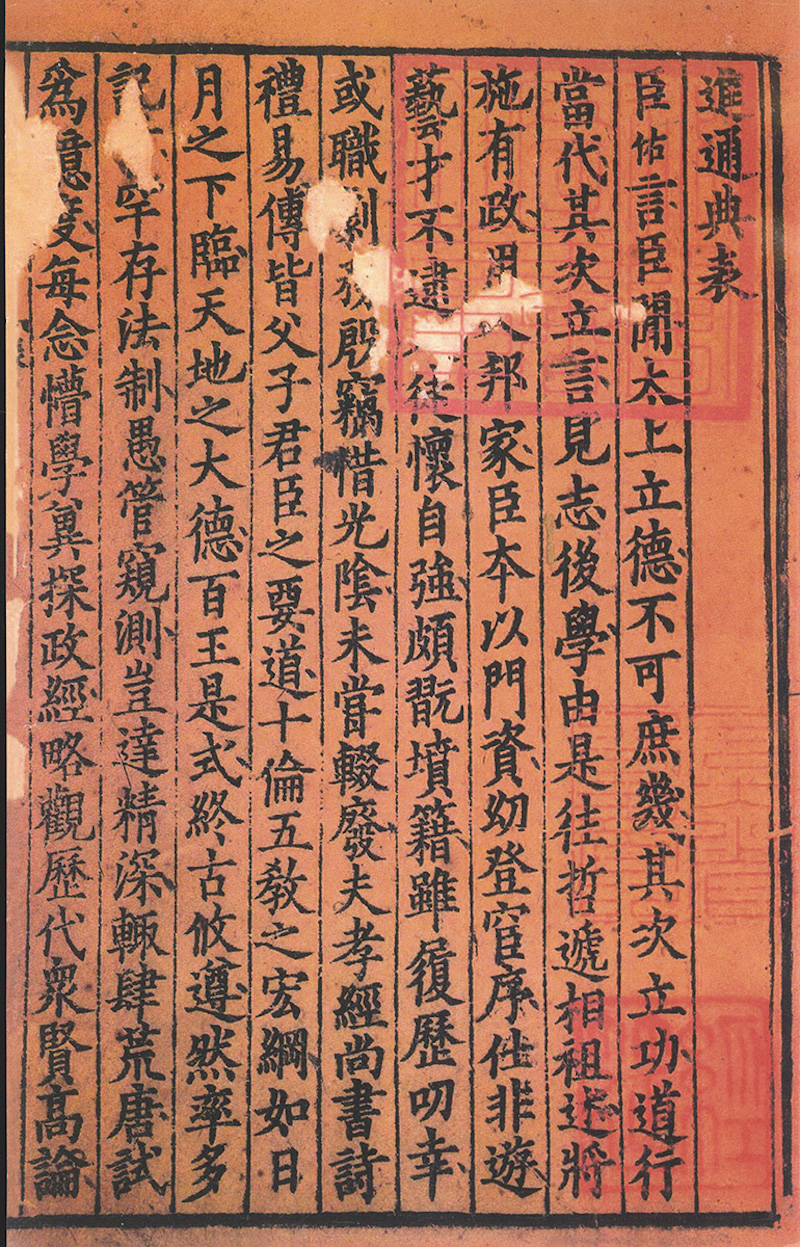
Before that, as early as 2000, when the Shanghai Library purchased Weng’s collection, I had noticed that there were differences between the European-style version of the Northern Song Dynasty and the European-style version of the Southern Song Dynasty because of studying the engraving of the Long and Short Classics. In Japan, I have read the Classic of Filial Piety and General Canon collected by the Imperial Palace’s Shuling Department, the Collection of Historical Records collected by Osaka Xingyu Bookstore, the Six Postscripts of Shi’s in Tofuku-ji Temple, Kyoto, the Lunlue of the Ritual Department collected by Nagoya Zhenfu Temple, and the Family Name Interpretation collected by the Library of Congress, and learned that the European characters in the Northern Song Dynasty are mostly narrow and long. In that case, the so-called "square font" of Zhejiang block-printed edition by the previous edition scholars can only be said to conform to the general appearance of Zhejiang block-printed edition in the Southern Song Dynasty, but not in the Northern Song Dynasty.

The Book Shadow of Tongdian in the Northern Song Dynasty Collected by the Book Mausoleum Department of the Imperial Palace in Japan

After realizing that the European style and Yan style engravings in the Northern Song Dynasty and some early Southern Song Dynasty are different from the common Southern Song Dynasty engravings, there is an intuition that there should also be authentic Liu Ti characters in the Northern Song Dynasty in history. And this book "Hangzhou West Lake Zhaoqing Temple Jielian Society Collection", which was compiled and engraved by people from Zhaoqing Temple Province, and the preface to the book "Qian Tang West Lake Zhaoqing Temple Jiejing Society Collection" written by Dr. Tai Chang in the second year of Dazhong Xiangfu (1009) is the authentic font of Liu Gongquan’s book "Mysterious Pagoda", and the rest of the contents, preface, inscription and text are "Magu Xiantan Ji". Compared with Qian Yi’s preface font, the common Liu Ti characters popular in Fujian woodcut in the Southern Song Dynasty are quite different.

Book shadow of the preface to the collection of Jiejing Society of Zhaoqing Temple in West Lake of Qian Tang Dynasty  

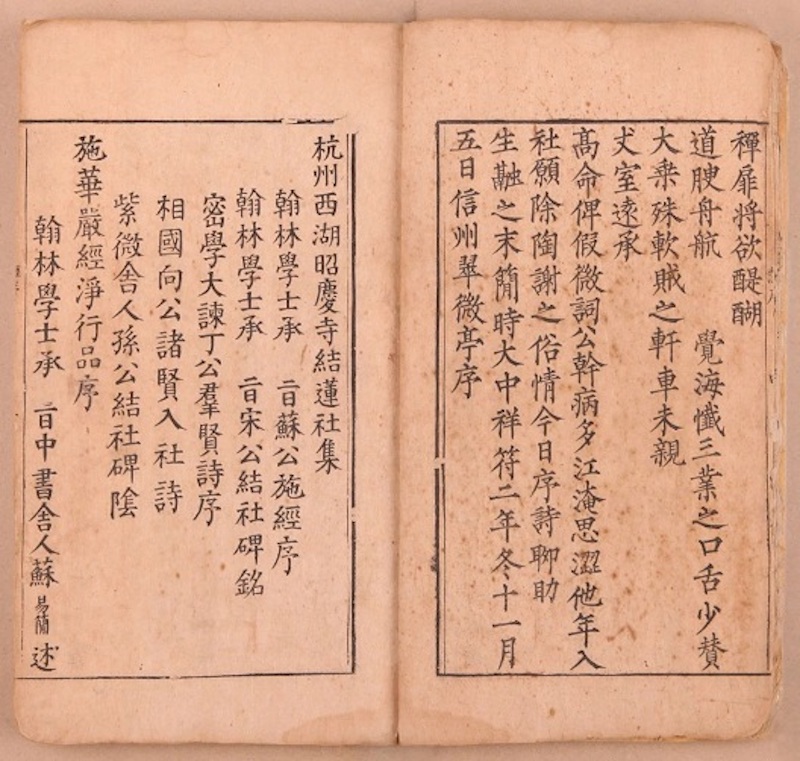
Judging from the text, the poems of 90 people who entered the Lotus Society of Zhaoqing Temple in West Lake in this book were all written between the first year of Chunhua in the Northern Song Dynasty (990) and the third year of Jingdezhen (1006). Su Yijian’s preface was written in the second year of Chunhua (991), Song Baizhi’s association inscription was written in the first year of Chunhua, Ding Wei Song dynasty’s preface was written in the third year of Jingdezhen, and Qian Yi’s general preface was finally completed. Therefore, the second year of Dazhong Xiangfu is not only the last year of compilation, but also the time when the book was engraved. Because Qian Yi’s preface was written in November of that year, the engraving may not be completed in the same year, but it will not be far apart. If we analyze the similarities and differences between Yan and Liu fonts, especially the fact that Qian Yi’s preface is engraved with Liu characters, there is another possibility that it may be more in line with the actual face of engraving, that is, before Qian Yi’s preface was written, the book was not only compiled, but also the engraving was completed when Qian Yi sent the preface, so Qian Yi’s preface was later engraved. This can also be seen from the fact that there is no money order in the book catalogue. If the whole book including money order is printed and engraved at the same time, it seems that there is no need to change the font, because these prefaces are not written by the author. Therefore, the appearance of Qian’s preface in the form of a willow character has a certain contingency, and this contingency is the proof of the subsequent engraving of the preface. From this, I even think that even without Qian’s preface, the book has been established, so it is likely that it was printed first. It is unknown whether there was a printed version of Qian’s preface in the world, because this phenomenon is not uncommon in the circulation of carved and printed ancient books, but it has been submerged for a long time. As far as my current experience is concerned, this kind of authentic Yan and Liu fonts are presented in the Song version of a book at the same time, which has never been seen in the South Song Dynasty.There is no basis for publishing and engraving in the Southern Song Dynasty or later.

Book Shadow of Lotus Society Collection of Zhaoqing Temple in West Lake, Hangzhou

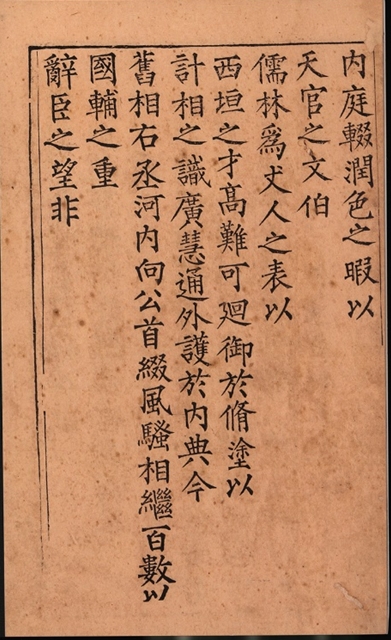
Of course, it is not convincing enough to judge this book as a copy of the Northern Song Dynasty only based on its date of publication and font change characteristics, because people’s acceptance of the fonts of the Song Dynasty still stays on the traditional understanding of typology. Therefore, whether we can find other equally "hard" evidence to prove that it is indeed the Northern Song Dynasty edition is the most concerned person. Although the book has not been found to be circulated in a single line, the relevant literature is also very scarce. However, after a close inspection, I found that the original book is easily ignored by people, which is also a strong evidence that the book was published at the latest in the period of Dazhong Xiangfu: the preface of the book and the publication of most poems and characters, whenever it meets Buddha, Fa Xi, Baodi, Provincial Chang, Zhaoqing Temple, Bailianshe, Huayan Hangpin, imperial court, kings and four related poems. Some seem to have not looked up in form, but for the words that need to be respected, the number of words per line has been specially adjusted to make it at the head of the line, so that the paid-in words can look up. For example, in Qian Yizhi’s preface, there are generally 16 words per line, but the sentence "The former prime minister, You Cheng, Hanoi, is coquettish to the public, and one after another is hundreds, with the emphasis on national assistance and the hope of resignation", in order to make the word "national assistance" look up, the previous line is engraved with 17 words. Therefore, those who have different lines and words in this book do what they want to do for the sake of looking up. However, there are also more than a dozen poems that don’t look up when they meet the above respects.

Jumping and Looking Up in Collection of Lotus Society of Zhaoqing Temple in West Lake, Hangzhou

With regard to three situations in the same book, namely, blank spaces and jumping lines, changing lines and not looking up, my understanding is that the province often publishes this episode without seeking uniformity in layout and lines, but deliberately makes formal arrangement adjustments to the text. In other words, he printed it directly according to the preface and the original appearance of the poems about joining the club. Moreover, it is not uniform to raise the head of the word Jing, or to raise the head of this word without other words, or to raise the head of other words without this word, which is also a reflection of the fact that the manuscript has not been adjusted and unified. As for the case of changing the line type to achieve the purpose of looking up, it is not often done intentionally, but according to the original line type, that is, the original seems to look up without line breaks, but actually looks up. In order to cater to the original writing form, it has to be changed. It is very clever and reasonable for the provincial governor to do so, which not only shows his absolute respect for the author’s contributions, but also truly and objectively reflects the attitudes of the people who joined the society at that time towards Buddhism, association and the provincial governor himself, which is what the provincial governor likes to see, which makes the best publicity for his goal of blending Confucianism and Buddhism through association. It is precisely because the province often adopts such a method of editing and engraving that it was inadvertently engraved by the provincial governor (959-1020) before his death, that is, the original engraving of this book was the best proof. If it is later engraved, and the personnel and dynasty have changed, it is impossible to have this kind of "messy" layout again, and its layout will inevitably be adjusted accordingly.

From this, it is thought that version editors usually attach great importance to bank payments, and different bank payments mean different books and different version systems. However, people often don’t pay attention to the phenomenon of different lines and characters in the same book, or think that it is the intention of the engraver, or that it is caused by the patched version, and the reasons for it are lack of understanding from the outside to the inside. This book of the Northern Song Dynasty gives us an inspiration, that is, the inequality of lines and characters can not be ignored in the appraisal version, which is likely to be an important basis for deciding whether to engrave the original or copy it.

Nucleic acid testing institutions near your home can be found here! (updated to 1266)

On the basis of comprehensive scientific evaluation of epidemic risk and detection ability, expanding the scope of nucleic acid detection is not only conducive to accurate prevention and control, protecting people’s health, but also conducive to the rational flow of people and promoting the comprehensive recovery of social economy and life order.

—— On May 15th, the State Council held a press conference on the prevention and control of COVID-19 epidemic normalization.

In order to implement the normalization prevention and control of COVID-19 epidemic, the list of nucleic acid testing institutions has been published one after another all over the country, which promotes the key population to "do all the tests" and other populations to "do all the tests".

The cost of the key population who should be fully inspected shall be borne by local governments. Including:

close contact

Overseas entry personnel

Fever outpatients

New inpatients and accompanying staff

Staff of medical institutions

Port quarantine and frontier inspection personnel

Prison staff

Staff of social welfare pension institutions

……

Other people are "willing to check and check." The required expenses shall be borne by enterprises, institutions or individuals. The detection fee standard is determined and publicized by the local price departments.

To do nucleic acid testing, where can I check the testing institutions near my home?

Quick scan poster applet code,

Enter the inquiry service of nucleic acid testing institutions.

At present, there are 1266 testing institutions uploaded by Beijing, Tianjin, Hebei, Liaoning, Heilongjiang, Shanghai, Jiangsu, Anhui, Fujian, Shandong, Henan, Hubei, Hunan, Guangdong, Guangxi, Hainan, Sichuan, Guizhou, Yunnan, Ningxia and Xinjiang Production and Construction Corps.

The list of nucleic acid testing institutions across the country is being updated one after another …

Save the small program code first,

Share it with those around you who need it!

Last year, the price control target was achieved.

According to the data released by the National Bureau of Statistics on January 11th, in 2020, the national consumer price (CPI) rose by 2.5% compared with the previous year, and the year-on-year increase remained in the "2 range" for the third consecutive year, successfully completing the goal of "about 3.5%" proposed in the 2020 Government Work Report. In 2020, the ex-factory price (PPI) of industrial producers decreased by 1.8% compared with the previous year; In the month of December, CPI rose by 0.2% year-on-year and 0.7% quarter-on-quarter; PPI decreased by 0.4% year-on-year and increased by 1.1% quarter-on-quarter.

Price operation is "high before and low after"

Dong Lijuan, senior statistician of the Urban Department of the National Bureau of Statistics, said that in December 2020, all regions and departments consolidated and expanded the achievements of epidemic prevention and control and economic and social development, and the consumer demand of residents continued to grow. At the same time, due to special weather and rising costs, the CPI turned from falling to rising.

From a year-on-year perspective, the CPI in December 2020 changed from 0.5% in November to 0.2%. Among them, the food price changed from 2.0% in November to 1.2%, which affected the CPI increase by about 0.26 percentage points. The core CPI excluding food and energy prices rose by 0.4% year-on-year, and the growth rate dropped by 0.1 percentage point from November. From the ring comparison, CPI changed from 0.6% in November to 0.7%. Among them, the food price changed from 2.4% in November to 2.8%, which affected the CPI increase by about 0.62 percentage points.

Guo Liyan, director of the Institute of Market and Price of China Macroeconomic Research Institute, believes that the main feature of CPI operation in December 2020 is that the prices of food and energy have turned from falling to rising, contributing about 85% and 15% to the increase of CPI respectively. Among them, due to the extreme cold weather, the production and transportation in some areas are slightly blocked, and the market supply is tight. In addition, the price of pork, fresh vegetables, eggs and other foods has increased from the previous month, which is the main factor to promote the CPI recovery; Affected by the rise in international crude oil prices, gasoline and diesel prices rose slightly month-on-month, which also supported the CPI recovery to some extent. The month-on-month and year-on-year increase of core CPI excluding food and energy are basically the same as those in November 2020, indicating that the current economic operation is basically stable, the supply and demand are dynamically matched, and the stability of CPI operation is further enhanced.

"In 2020, the CPI operation showed an obvious trend of’ before high and then low’, rising by 2.5% for the whole year, maintaining a reasonable operation range, and successfully achieving the annual price control target." Guo Liyan analyzed that after the outbreak of COVID-19, according to the decision-making arrangements of the CPC Central Committee and the State Council, the relevant departments fully implemented the work of ensuring supply and stabilizing prices of key commodities for people’s livelihood, strengthened the foundation of "vegetable baskets" and "rice bags" in various places, intensified efforts to restore production and supply, and accurately put in place measures such as emergency support, reserve adjustment and import adjustment. Since the second quarter, CPI has shown a steady downward trend. Although the prices of individual commodities fluctuated in the third and fourth quarters due to seasonality, extreme weather and sporadic epidemics, the overall trend continued to decline steadily, and the annual trend was in line with expectations.

The price of industrial products continues to rise.

"In December 2020, domestic demand recovered steadily, and the prices of some international commodities continued to rise, driving the prices of industrial products to continue to rise." Dong Lijuan said.

From a year-on-year perspective, the PPI decreased by 0.4%, which was 1.1 percentage points narrower than that in November 2020. Among them, the price of means of production decreased by 0.5%, and the decline narrowed by 1.3 percentage points; The price of means of subsistence fell by 0.4%, and the decline narrowed by 0.4 percentage points.

From the ring comparison, PPI rose by 1.1%, an increase of 0.6 percentage points over the previous month. Among them, the price of means of production rose by 1.4%, an increase of 0.7 percentage points; The price of means of subsistence rose by 0.1%, the same as in November 2020. Among the major industries, affected by the international crude oil price increase and other factors, the price of oil and natural gas mining industry rose by 7.9%, the price of oil, coal and other fuel processing industry rose by 5.3%, and the price of chemical raw materials and chemical products manufacturing industry rose by 2.3%, all of which expanded, which affected the PPI to rise by about 0.37 percentage points. As the domestic market demand continues to pick up, and the prices of international commodities such as iron ore and non-ferrous metals rise more, the prices of metal-related industries continue to rise. As the temperature at the end of the year was lower than normal, the demand for heating increased rapidly, which led to the increase of gas production and supply, coal mining and washing industry by 1.3 percentage points.

Guo Liyan believes that due to the rising prices of international crude oil, iron ore, non-ferrous metals and other bulk industrial raw materials, the prices of "three blacks and one color" industries such as domestic petroleum and petrochemical related industries, ferrous and non-ferrous metal smelting and pressure processing industries have risen to varying degrees, thus supporting the PPI. The year-on-year decline has accelerated and narrowed, and it has fluctuated slightly around zero.

From the situation of the whole year, "with the acceleration of the resumption of work and production in major domestic industries, the circulation blocking points were opened in time, the supply and demand cycle and the market cycle were unblocked, and the upstream raw material prices gradually stopped falling and rebounded, returning to a reasonable fluctuation range, thus supporting the continuous narrowing of PPI year-on-year decline." Guo Liyan said.

Prices will be moderate in 2021.

Many interviewed experts believe that in 2021, CPI will show a trend of "first suppression and then promotion" and run within a reasonable range; The year-on-year increase of PPI is expected to turn from negative to positive, achieving a slight increase.

Guo Liyan believes that in early 2021, due to the high base, large negative hikes and the wrong month of the Spring Festival, the year-on-year increase of CPI may be at a low level and will remain in a reasonable operating range throughout the year. The decline of PPI will continue to narrow with the rebound of commodity price fluctuations, and it may turn from negative to positive in the first half of the year, and it is expected to increase slightly throughout the year.

Zhou Maohua, an analyst in the financial market department of China Everbright Bank, believes that CPI will show a steady upward trend in 2021. Affected by the high base in the next few months, the year-on-year increase of CPI may be in the contraction area, but then it will gradually pick up, and the price performance will be moderate throughout the year. Due to the good situation of domestic epidemic prevention and control and the continuous release of the effect of expanding domestic demand policy, China’s domestic demand will gradually return to normal level in 2021. The gradual spread of global vaccination and the introduction of unprecedented demand support policies by major economies will drive the price centers of energy and other commodities to a slightly higher level, and the prices of domestic industrial products will also gradually improve.

"Affected by the hikes and the overall weak demand, the year-on-year increase of CPI in the first quarter of 2021 may be negative. With the gradual recovery of demand, the year-on-year increase of CPI is expected to gradually return to positive after the second quarter, and inflation is expected to be moderate throughout the year. " Liu Xuezhi, a senior researcher at the Financial Research Center of Bank of Communications, believes that with the continuous acceleration of industrial production, PPI is expected to continue its upward trend, and positive growth is expected in the first quarter of 2021. (Reporter Xiong Li)

Intelligent standardization

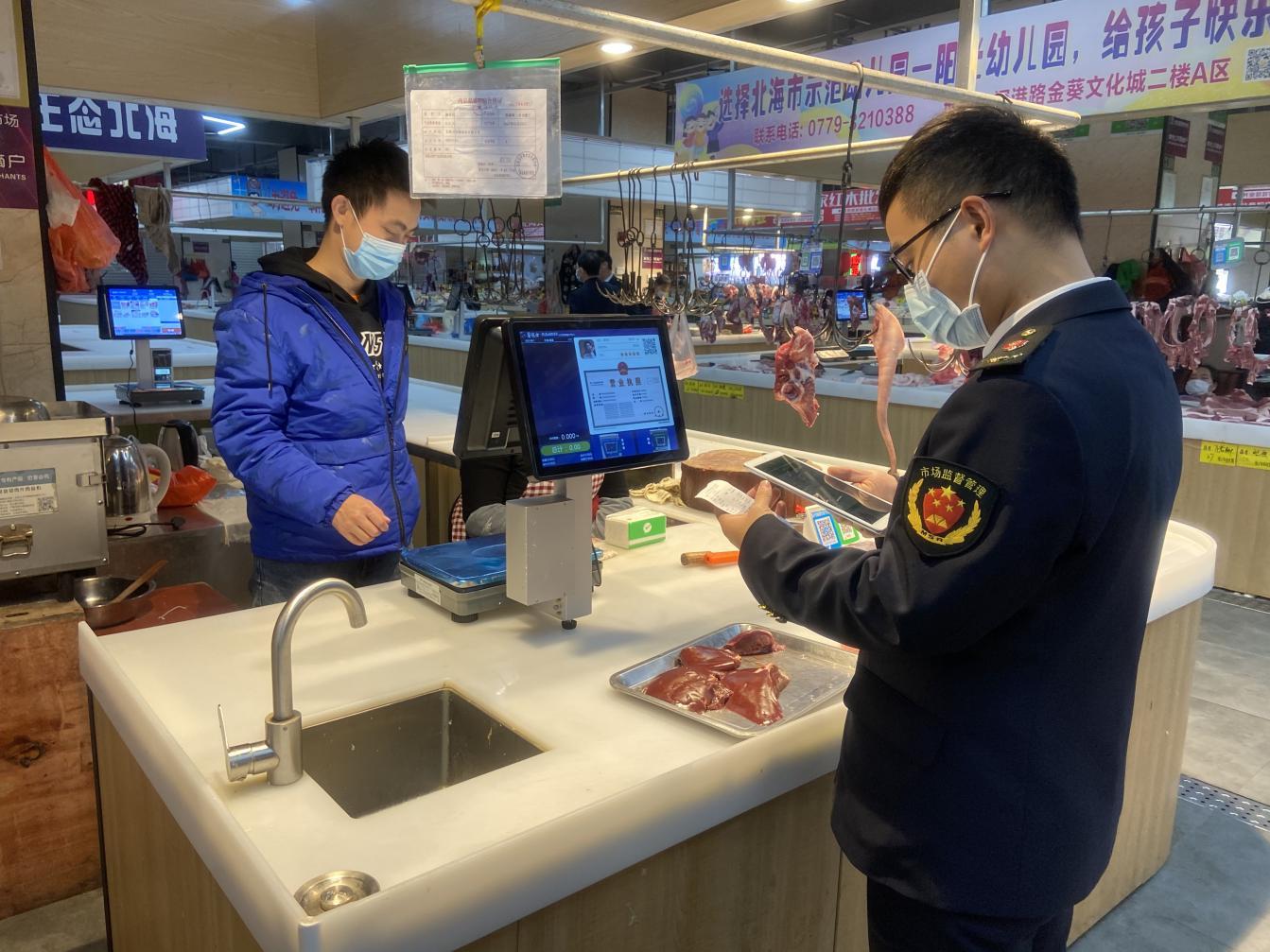
China Consumer News reported.(Xie Jinling journalistGu yanwei"Beihai’s consumer satisfaction ranked first among the 14 cities in the whole region for two consecutive years, with the complaint reporting transfer rate of 100% and the deadline settlement rate of 100%, saving consumers an economic loss of 5,498,300 yuan … …” During the "March 15th" this year, Guangxi Beihai Market Supervision Bureau announced the city’s achievements in consumer rights protection in 2021, which made people shine.

Since last year, Beihai Municipal Market Supervision Bureau, while comprehensively promoting the work related to consumer rights protection, has made great efforts to develop the intellectualization of farmers’ markets, standardization of parking charges and standardization of catering services, promoted the intelligent traceability system of food safety in farmers’ markets, carried out special law enforcement actions to standardize parking charges in the whole city, formulated and introduced service standards for catering industry, and strived to make consumers feel more at ease, more at ease and happier in Beihai.

Intelligent traceability system promotes market integrity management

"Boss, two potatoes." The voice of Mr. Huang, a citizen, just fell. The food stall operator of Beijing Road Smart Market put potatoes on the electronic traceability scale for food safety. The information of the business license, the weight, the unit price and the total cost of the purchased goods immediately appeared on the display screen of the traceability scale. Then the operator handed Mr. Huang the small ticket printed by the electronic traceability scale, and Mr. Huang scanned the traceability QR code on the small ticket with his mobile phone, and quickly inquired about the business owner’s subject registration information, honest business information, the source of purchased goods, testing situation and other related information.

"I prefer to buy food here. These food safety electronic traceability claims to make me feel at ease when buying food." Mr Huang told the reporter of China Consumer News.

The staff is guiding the market operators to use the electronic traceability scale for food safety.Information picture

According to Manager Yi, the person in charge of the market management, Beihai Market Supervision Bureau helped the market to upgrade, equipped the business households with electronic food safety traceability, and installed a food safety traceability management system to make the commodity prices more transparent, traceable, accurate in measurement and more honest in operation. Nearby neighborhoods prefer to buy food here.

According to Pang Shaoqing, chief of the Market Construction Section of Beihai Market Supervision Bureau, China Consumer News reporter, at present, there are 663 sets of food safety traceability electronic scales put into use in Beihai. The implementation of these devices has provided intelligent shopping experience for the public, and also avoided the shortage of goods in the market and promoted the honest operation of the market.

Standardize parking charges to make people feel at ease.

In the parking lot of Beihai International Passenger Terminal, the law enforcement officers of Beihai Market Supervision Bureau are checking the clearly marked public signs and charging system on the spot to check whether the parking lot is priced by the government and clearly marked according to regulations. The person in charge of the parking lot said: "The market supervision bureau often helps us standardize the charging service, and now our parking lot has not received any complaints from customers about parking charges."

Law enforcement officers are guiding the parking lot to carry out the standardization of parking charges.Information picture

According to Long Wenfeng, deputy detachment leader of Beihai Municipal Market Supervision and Law Enforcement Detachment, in order to further solve the problem of parking service charges that the masses are more concerned about, in recent years, Beihai Municipal Market Supervision Bureau has taken "standardization of parking charges" as one of the main grips of "I do practical things for the masses". On the one hand, the city’s parking lot business units are instructed to make public signs with clearly marked fees according to the unified and standardized templates. At present, 80 parking lots have completed the production and installation; On the other hand, three local standards of Beihai City, such as "Parking Service Management Standard", were formulated to solve the phenomenon of irregular parking fees that people are concerned about. At the same time, through the special rectification of property fees, a "sword" was shown to the chaos of property fees, and 52 residential quarters were ordered to clear the illegal overcharged property fees of 197,700 yuan, effectively rectifying the property price order in the city.

Standardized catering service makes consumers comfortable and satisfied.

Yuansheng Restaurant is a catering enterprise in Beihai with the theme of Nanzhu culture in Beibu Gulf. There are more than 40 standards and responsibilities on the back kitchen wall of the restaurant, ranging from the dress code of employees to the management responsibilities of chopping boards. The person in charge of this enterprise told the reporter of China Consumer News: "Our enterprise has deepened around Beihai Catering Service Standard System according to its own development characteristics, introduced the 4D food safety on-site management system, and formulated 4D management norms. After standardized management, the restaurant was optimized and refined from more than 300 dishes to more than 100 dishes, which not only reduced the waste of ingredients, but also improved the labor efficiency. Only the labor cost saved more than 100,000 yuan, and the cost of large equipment also saved more than 50,000 yuan. "

The person in charge said that since the standardized management of catering services was implemented, all aspects from kitchen to staff management have been greatly improved, which not only increased the goodwill and trust of customers, but also further enhanced the image of Beihai as a tourist city.

Staff guide the standardization of catering services in catering enterprises.Information picture

"Since the standardization of catering services was implemented in restaurants, the overall team’s awareness of comprehensive implementation has increased by 60%, job efficiency has increased by 70%, and cost loss has been reduced by more than 70%." Mr. Mao, the person in charge of Qijiapeng Restaurant in Beihai City, said that with the blessing of standardization, Qijiapeng has become a "punch-in" restaurant in online celebrity for tourists to understand the catering culture of Qijiapeng, which is also inseparable from the standardization of catering services in restaurants.

Yi De, chief of the Food and Catering Safety Supervision Section of Beihai Market Supervision Bureau, told the reporter of China Consumer News that in order to further improve the quality of catering services, Beihai Market Supervision Bureau has formulated Beihai Catering Service Standard System, which covers 64 standards in three frameworks: general basic service standard system, service guarantee standard system and service provision standard system, leading supervision by standards and improving the service quality of catering industry by standards.

In the interview, the reporter learned that in addition to strengthening the guidance of standards, the market supervision department of Beihai City also strengthened the supervision of the tourism market, and standardized the seafood catering business behavior, guided consumers to consume rationally, and carried out special rectification of the tourism market by issuing the Reminder and Warning on the Standardized Business Behavior of Seafood Catering Industry in the City and the Convention on Honesty and Trustworthiness of Seafood Catering. In 2021, 4,472 travel-related business units were inspected, 26 cases were filed, and 135 households were ordered to rectify. The number of complaints about seafood catering was the same as that of the previous year.

Beihai Municipal Market Supervision Bureau’s devotion to doing practical things for the people has not only won the respect of enterprises, but also won the praise of consumers in the face of the improving consumption environment. "The satisfaction of the masses is the greatest affirmation of market supervision and the ultimate goal of market supervision departments to continuously improve the consumption environment." Cai Biyu, deputy director of Beihai Municipal Market Supervision Bureau, said. In the future, the market supervision department of Beihai will persist in taking the people as the center, continue to intensify the rectification of the consumption environment, and further enhance the people’s sense of happiness and gain in consumption activities.

Ma Weiwei’s self-exposure and entrepreneurship ruined her face value?

1905 movie network news On January 7th, the film held a campus meeting with the theme of "It’s hard to grow, but persistence is burning" in Renmin University of China. Director Guan Xiu, founder of Miguo Culture Ma Weiwei, founder of Xinyao Jinxing, founder of Lagou Recruitment Xu Dan and grassroots entrepreneur An Chuandong attended the event, and they shared their entrepreneurial experiences and experiences with the students present.


According to Guan Xiu, the film "Burning Point" took 14 months to shoot, focusing on the entrepreneurial process of 14 well-known entrepreneurs, including Luo Yonghao, founder of Hammer Technology, Dai Wei, founder of ofo sharing bicycles, papi sauce, co-founder of papitube, and the main creative guests present. "Into their highlight moment, also entered their dark moment. Being happy with them is also uncomfortable. "Guan Xiu said that it is very difficult to start a business now. She reminded college students to bravely meet setbacks and challenges once they choose to start a business.


When Ma Weiwei is mentioned, most people will think of "Qipa as a debater", but now she is still an entrepreneur in the field of "knowledge payment". As soon as she took the stage that night, Ma Weiwei ridiculed that starting a business was very damaging, which made her gain 40 pounds at once. She also revealed that she was a depressed patient, and Qiu Chen, who started a business with her, had to see a psychiatrist twice a week. Although the road to starting a business is extremely difficult and dangerous, and there have been countless disputes and crying with partners, she is still excited about the future because of her ideal support, and she will continue to die.


Ma Weiwei said that she wanted to be a writer when she was a child. Although she didn’t realize her dream, she is now doing "knowledge payment" to help writers improve the commercial value of the production content. "Entrepreneurship can enlarge her childhood dream." She gave this sentence to the college students present, and warned them not to concentrate on striving for the upper reaches when entering the workplace, but to accept the tempering from the bottom before they can grow tenaciously.


At the meeting, other film masters also talked about the bitterness and bitterness in the process of starting a business. Venus, the founder of New Oxygen, believes that the essence of entrepreneurship is patience and suffering, and the sense of happiness is particularly low, but it can bring high achievement and satisfaction, which is suitable for people who love challenges and difficulties. Xu Dan, the founder of Lagou Recruitment, suggested that new graduates should not start businesses easily, and encouraged them to study and exercise their abilities in entrepreneurial companies first. An Chuandong, an alumnus of the National People’s Congress and a grassroots entrepreneur, has experienced two entrepreneurial failures. He admits that entrepreneurship is constant growth and experience for him. He always adheres to the school motto of seeking truth from facts and firmly believes that fate is in his own hands.


It is reported that the film "Ignition Point" will be released nationwide on January 11, 2019.

Starting from 75,800 yuan, the five-seat version of Wuling Binguo SUV went on the market.

On September 20th, the five-seat version of Wuling Binguo SUV was officially launched. There are three versions of the new car: 330km, 401km and 510km, and the price is 75,800 yuan, 84,800 yuan and 95,800 yuan respectively.

pictureThe five-seat version of Wuling Binguo SUV has four colors: milk coffee white, glass red, storm grey and aurora green, with a suspended color separation roof. Through the detailed design of large inclination windshield, front air curtain with wind blade, 15-inch aluminum alloy wind-breaking wheel hub and anti-upturned tail wing, the wind resistance of the whole vehicle is optimized by 13%, and the cruising range is increased by about 20 kilometers. For the interior, there are two color schemes: empty green and warm sand white. The cockpit adopts 360 skin-friendly soft bag design, the main driving seat supports electric 6-way adjustment, and the rear seat can be laid down independently in 4/6 minutes and equipped with independent headrest.pictureThe five-seat version of Wuling Binguo SUV is based on the Tianyu architecture -M platform developed by Wuling. The body size is 4090mm*1720mm*1575mm, the wheelbase is 2610mm, the second row spacing can reach 882mm, and the lateral space utilization rate can reach 78.4%. There are as many as 23 humanized storage spaces in the car. When the rear seats are put down as a whole, you can enjoy 1450L trunk space, which is combined with multi-dimensional variable layout to meet various usage scenarios.pictureThe five-seat version of Wuling Binguo SUV adopts a 75kW high-efficiency three-in-one water-cooled flat wire motor with a maximum torque of 180N·m, which can complete the 0-50km/h accelerated start in 3.7s. Wuling Binguo SUV five-seat version offers three endurance versions of 330km, 401km and 510km to choose from. The power consumption per 100 km is as low as 10.1kW·h, and the operating cost per kilometer is only 6 cents. The whole new car supports the combination of three charging modes: DC charging pile, AC charging pile and household socket, so as to realize high-efficiency full-scene quick charging. It only takes 30-35 minutes for DC fast charging SOC to reach 30%-80%, and it can also be adapted to household 220V/10A socket.pictureThe five-seat version of Wuling Binguo SUV adopts five-ring high-strength steel body structure, accounting for 74.8% of the whole vehicle’s high-strength steel, and 22 of them use high-strength thermoformed steel with tensile strength exceeding 1500Mpa. The whole system comes standard with 4 airbags, as well as ESC electronic vehicle stability system, Autohold automatic parking system, reversing radar and other configurations. In addition, the new car is equipped with a battery.picture